ISLAMABAD (The Thursday Times) — President Asif Ali Zardari and Prime Minister Shehbaz Sharif marked the International Day for the Elimination of Violence against Women, observed on 25 November, with messages pledging stronger protection for women and firmer enforcement of laws already on the books.
The day also opens the 16 Days of Activism against Gender-Based Violence, which run until Human Rights Day on 10 December. The messages follow a UN report this week that 47,000 women and girls were killed by partners or relatives in 2025.
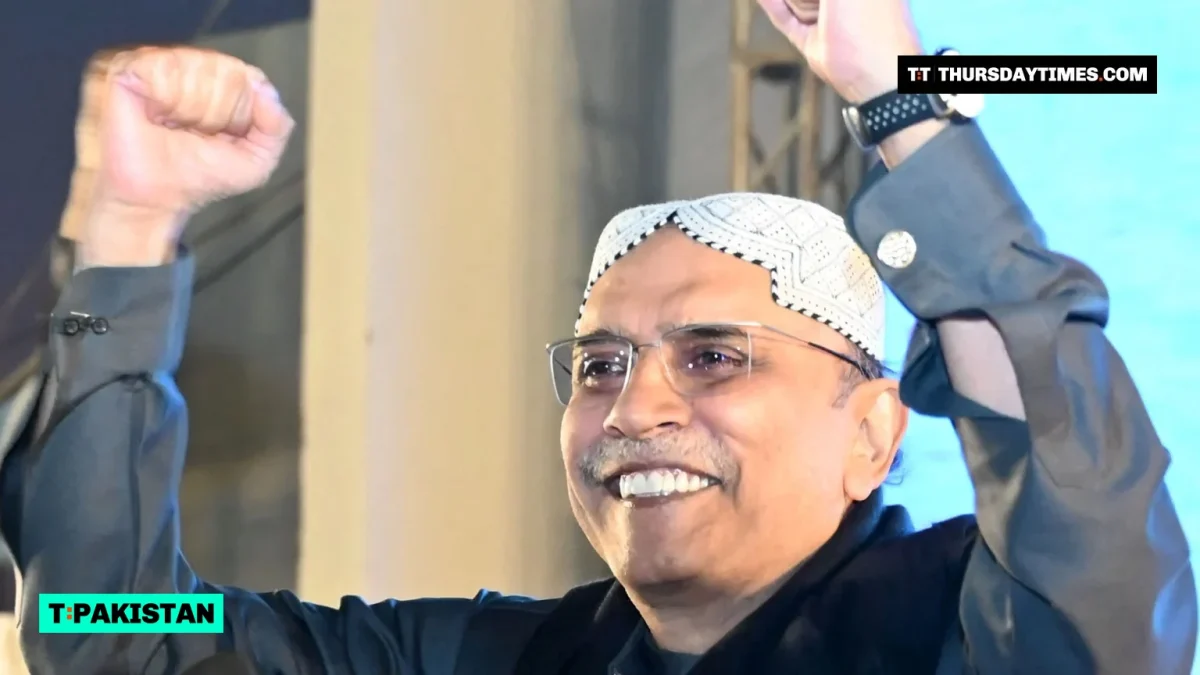
The president’s message
Zardari said safeguarding women’s rights is essential to upholding human rights as a whole. He pointed to Articles 14, 25, and 34 of the Constitution, which guarantee dignity, equality before the law, and women’s full participation in national life, and to Pakistan’s obligations under the Convention on the Elimination of All Forms of Discrimination against Women, which include holding perpetrators accountable.
He credited the 1973 Constitution, adopted under Zulfikar Ali Bhutto, and Benazir Bhutto’s initiatives, including the First Women Bank and women police stations, with expanding women’s opportunities and access to public services.
Laws now cover workplace harassment, acid attacks, offences committed in the name of honour, rape, and anti-women practices, the president said, but legislation has to be matched by effective implementation, timely action on complaints, and adequate support for survivors. He added that technology-facilitated abuse needs its own safeguards, and that violence can keep a girl out of school, push a woman out of work, or restrict her movement and access to essential services.
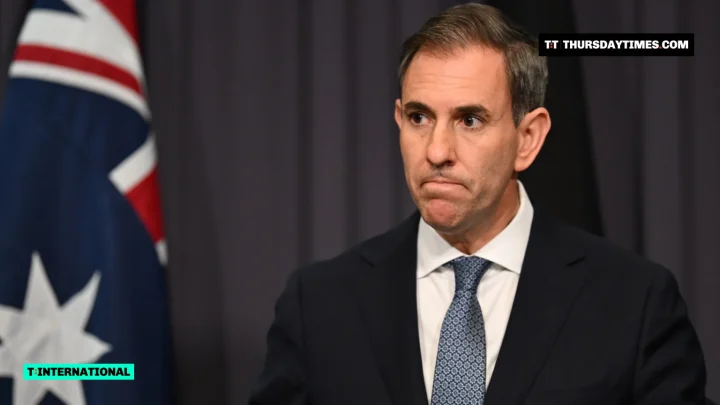
The prime minister’s message
Shehbaz said violence against women occurs in homes, workplaces, public spaces, and on digital platforms, and that under-reporting, fear of social stigma, and limited access to support services remain serious challenges. He said Pakistan has strengthened its legal framework in recent years, citing laws on workplace harassment, acid attacks, honour-related crimes, and physical violence, along with the Islamabad Capital Territory Domestic Violence (Prevention and Protection) Act, 2026.
He said implementation remains a key priority and that the government is working with provincial governments, parliament, the judiciary, civil society, and international partners. He pointed to the Ministry of Human Rights’ National Strategy for Engaging Men, the National Action Plan on Human Rights 2026, and the National Human Rights Helpline, 1099, which offers legal guidance and referrals.
The prime minister called on religious scholars, educators, the media, and community leaders to challenge attitudes that sustain violence, and paid tribute to survivors. The statements were issued by the Prime Minister’s Office and the President’s Secretariat.