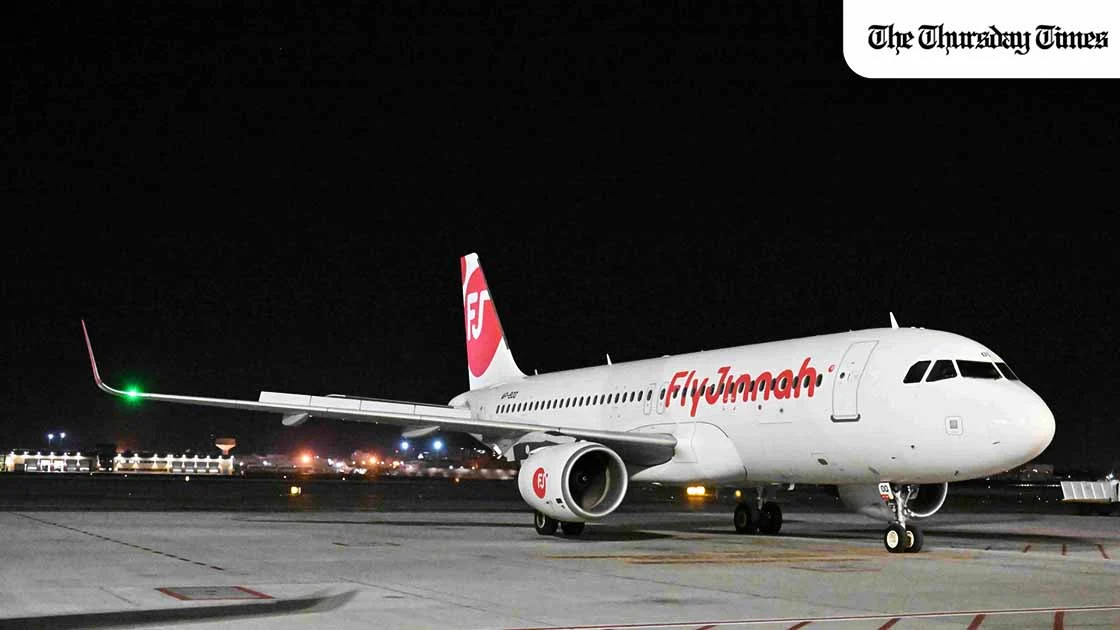
ISLAMABAD — Pakistan’s domestic aviation market is set for a fresh test of demand and affordability after Fly Jinnah announced it will begin two daily flights between Lahore and Islamabad from May 1, opening a faster option on one of the country’s most heavily travelled routes.
Congratulations Pakistan on another milestone achievement in Aviation sector. After a long suspension of about 5 years, Fly Jinnah is starting Double Daily flights between Lahore and- Islamabad from 01 May 2026.
It will a great relief for all commuters particularly Lawyers,…— Khawaja M. Asif (@KhawajaMAsif) April 22, 2026
The move, confirmed Wednesday by Defence Minister Khawaja Asif, signals growing confidence in domestic air travel at a time when congestion on roads, rising fuel costs and the pressure of business mobility are reshaping how Pakistanis move between major cities.
For decades, the Lahore-Islamabad corridor has been defined by highways, motorways and long car journeys. It is a route travelled by lawyers attending court hearings, civil servants commuting for official meetings, businesspeople balancing same-day schedules and families navigating urgent medical appointments. The promise of multiple daily flights introduces something Pakistan’s domestic market has often lacked: convenience built around routine.
At roughly PKR 10,000 each way, the service enters a pricing zone that may appeal to professionals and higher-frequency travellers who value time over the unpredictability of road travel. For others, it may represent a premium option during emergencies, weather disruptions or periods of heavy motorway traffic.
View this post on Instagram
The significance extends beyond ticket sales. Pakistan’s domestic aviation sector has faced years of turbulence, from economic constraints and fuel pressures to operational disruptions and questions over fleet expansion. Every new route with meaningful frequency becomes a measure of whether private carriers can help fill mobility gaps once dominated by rail and road.
Fly Jinnah, the low-cost carrier backed by the Air Arabia model, has steadily expanded its footprint by targeting practical demand rather than prestige routes. Its previous growth into Gulf destinations such as Muscat, Riyadh, Jeddah and Sharjah reflected the pull of labour, family and religious travel. This new domestic push suggests Pakistan’s internal market may now be just as commercially attractive.
There is also a political subtext. The government has repeatedly argued that better air links can support productivity, reduce wasted hours on roads and ease pressure on transport infrastructure. In a country where distance often slows commerce, faster city-to-city connections can have an outsized economic effect.
For Lahore and Islamabad, the route is not merely symbolic. It links Pakistan’s legal and commercial capital in Punjab with its administrative and diplomatic centre. The result could be more same-day travel, tighter business integration and a subtle change in how professionals structure work across both cities.
Whether the flights succeed will depend on punctuality, pricing discipline and consistent passenger demand. Pakistan’s consumers have shown enthusiasm for aviation when fares feel rational and schedules are dependable. If Fly Jinnah can provide both, the route may become less of an experiment and more of a template.
For now, a one-hour flight is being positioned as an answer to a journey that often consumes half a day. In Pakistan’s evolving economy, time itself may be the product being sold.