In India the topic which is nowadays being hotly discussed, and which has gone viral in the media, is vote chori (vote theft) by the Chief Election Commissioner Gyanesh Kumar.
01Vote chori
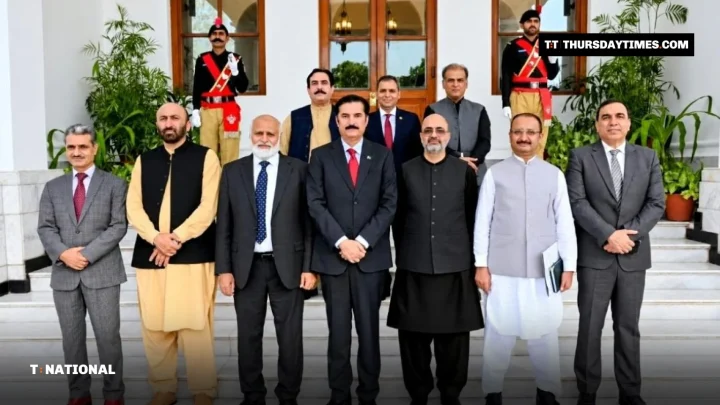
This followed the publication on 23.09.2026 of an investigative report by the reporter Ritika Chopra in the prominent Indian newspaper The Indian Express on the alleged unilateral deletion by Gyanesh Kumar of the names of 130 million voters who would have voted against the ruling BJP, against the objections of his two colleagues in the Election Commission of India.
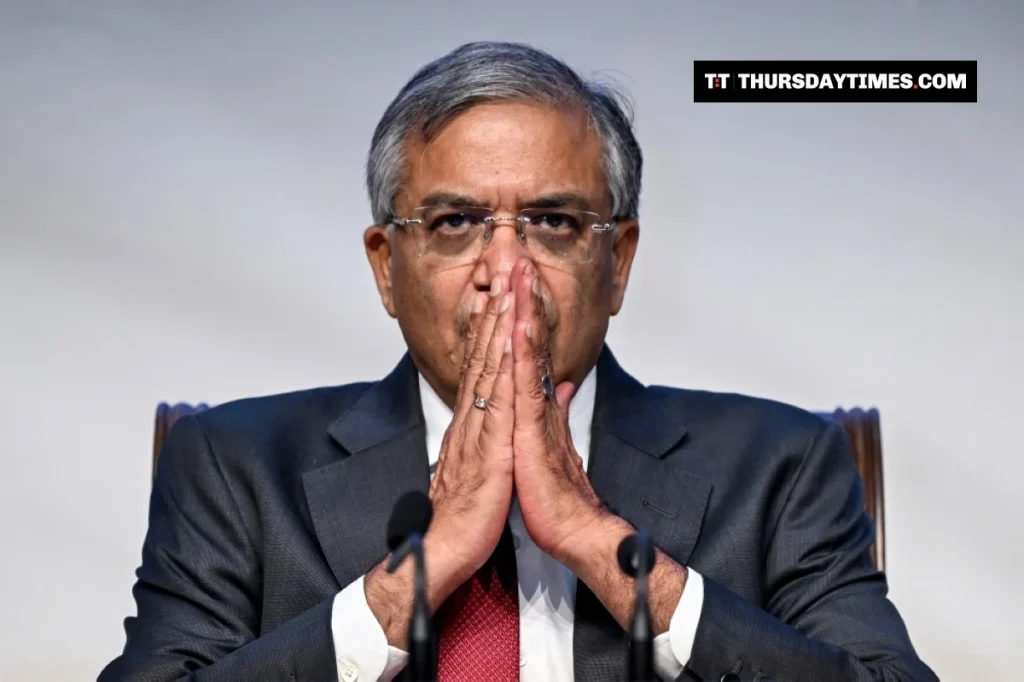
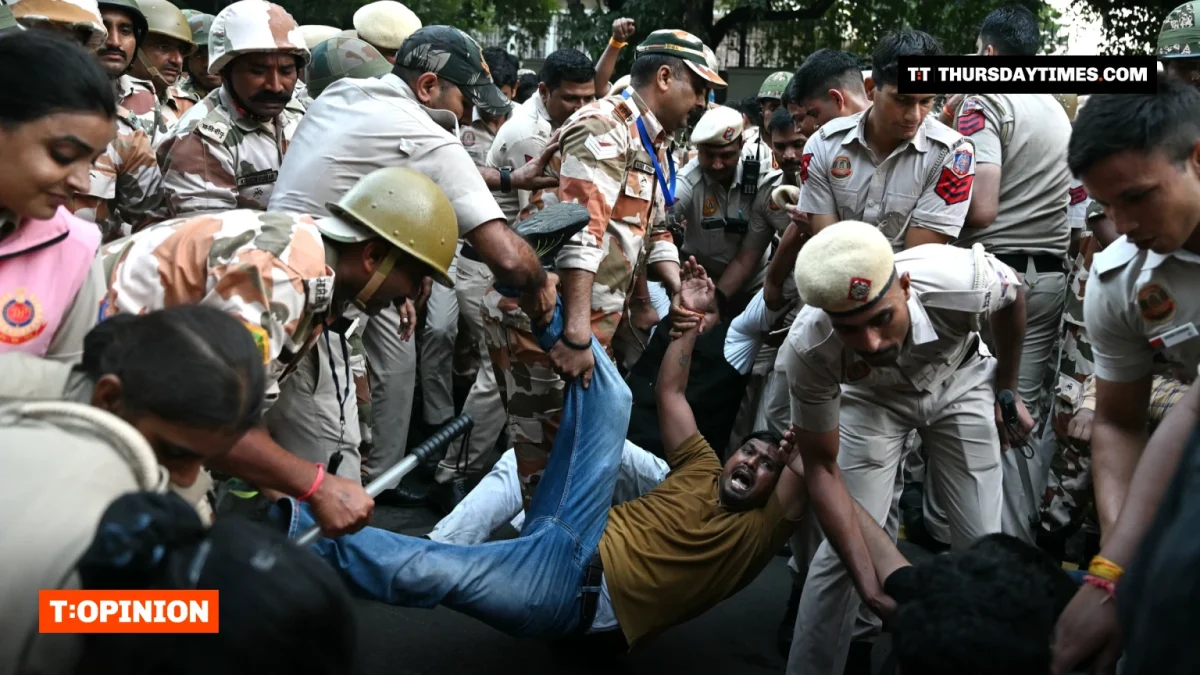
There have been widespread protests in India calling for the removal or resignation of Gyanesh Kumar, including the recent rally on November 1 on Delhi’s Ramlila groundsRamlila Maidan, a vast open ground in central Delhi that has hosted India’s biggest political rallies and protests for decades. called by Congress party leader Rahul Gandhi, and attended by the leaders of many opposition parties.
These protests have proclaimed the murder of democracy by the acts of Gyanesh Kumar. The assumption is that democracy is a good thing in India, and therefore vote chori (vote theft) is a bad thing as it undermines democracy. But is this assumption correct?
02The only test
The test of every political activity is one, and only one: does it raise the standard of living of the people? Does it give people better lives?
The test of every political activity is one, and only one: does it raise the standard of living of the people?
In my opinion, democracy is not an end in itself. It can only be a means to an end. And that end must be raising the standard of living of the people, and giving them better lives. If democracy helps in obtaining that end, it is a good thing, but not otherwise. In India, our democracy blocks the progress of the country, so how can it be called a good thing? Therefore the very assumption that democracy is a good thing for India is questionable. Let me explain.
03Democracy as it is practised
In theory, and in the abstract, democracy is a fine, rosy word, as it connotes rule by the people. But we have to see what democracy actually is as practised in India, and not what it is in theory and in the abstract. In other words, democracy must not become a fetish, to be worshipped like a holy cow.
Everyone who has even a little knowledge of Indian politics knows that in India democracy largely runs on the basis of caste and religious vote banksBlocs of voters from one caste or religious community who are expected to vote together for the party that claims to represent them.. When most Indian voters cast their votes in elections in India, they do not see the merit of the candidate, whether he is a good man or a bad one, whether if elected he will work for their welfare or not, whether unemployment and prices of essential commodities have risen or not. They only see the caste or religion of the candidate (or the caste/religion his party claims to represent).
In the 2024 Indian parliamentary elections almost half the MPs elected had criminal records, which means that most Indian voters do not see whether the candidate they voted for is a criminal or not; they only see his caste or religion.
Casteism and communalism are feudal forces, and without destroying them India cannot progress. But democracy, as it really functions in India, further entrenches and fortifies casteism and communalism (as it runs on their basis).
Democracy must not become a fetish, to be worshipped like a holy cow.
04Permanently in election mode
There are 28 states in India and 8 union territories, so at all times either some state/union territory assembly election is taking place, or preparations for it are going on. In other words, the country is permanently in election mode. For instance, elections in UP, the biggest state in India, and in Punjab, are scheduled for February or March 2027.
To win elections, Indian politicians polarise society, and incite caste or religious hatred, to get votes. For instance, in UP, the biggest state in India, mosques of Muslims are nowadays being targeted (obviously to secure Hindu votes in the forthcoming state assembly elections).
This is how democracy actually functions in India.
05China and India
China has no democracy, but it has rapidly progressed, and has become the second superpower in the world, with a GDP of 21.5 trillion dollars, while India’s GDP is said to be about 4 trillion dollars, and even that figure is questionable.
The comparison he draws
- $21.5 trillionChina’s GDP, with no democracy
- About $4 trillionIndia’s GDP, a figure he calls questionable
- 850 millionChinese lifted out of poverty, out of 1.4 billion
- Almost halfIndia’s MPs elected in 2024 who had criminal records
China has lifted 850 million of its 1,400 million people above the poverty line.
The Chinese government is focused on economic development, while our leaders focus on winning elections, e.g. by building a Ram temple in Ayodhya, or by cow protection (which they believe will get them votes of Hindus, who make up 80% of India’s population), and for this, the lynching of Muslims whom they accuse of eating beef or selling cows for slaughter.
It is claimed by some that India has the fastest-growing economy, that our annual GDP growth is 7.5%, and that India has surpassed Japan and will soon catch up with Germany, etc., etc. But here is the truth (see the articles listed below).
Moreover, when we talk of GDP growth, we must also ask, even assuming that there is such growth, who is getting the fruits of such growth? Is it the Indian masses, or just a handful of big businessmen who are getting richer every day, while the people are getting poorer, thus increasing the divide between the rich and the poor?
06Unfit to vote
In my opinion democracy is meant for people with rational minds. But perhaps 90% of Indians have feudal, not rational, mindsets, full of casteism and communalism, which I often call ‘gobarHindi and Urdu for cow dung.’ (cow dung). So they are unfit to vote, as I have explained in the article and interviews listed below.
07What India needs
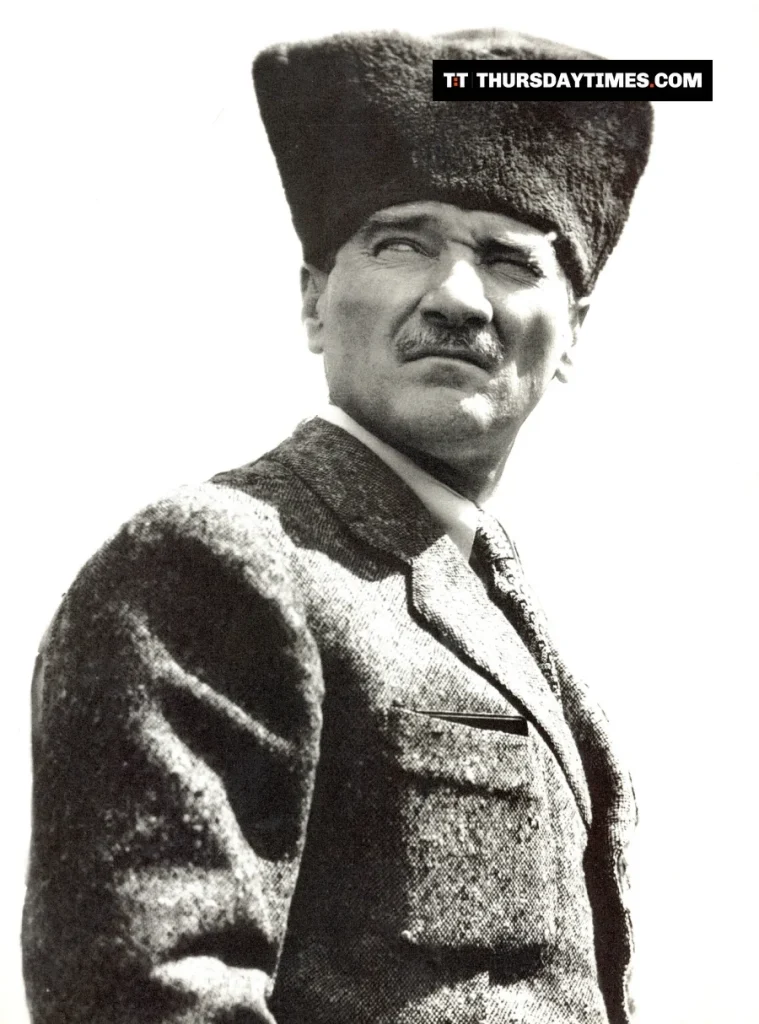
So what India needs is not democracy but a dictatorship led by modern-minded leaders, like Mustafa KemalMustafa Kemal Atatürk, founder and first president of the Republic of Turkey from 1923 to 1938, who ruled through a single party and forced through sweeping secular and modernising reforms. of Turkey, as explained in the articles and videos listed below.
- The Election Commission’s 14 objectionsIndian Express
- The agitation in India demanding resignation of Gyanesh Kumarindica News
- Is democracy suited to India?indica News
- Record 46% of newly elected Lok Sabha MPs facing criminal casesNew Indian Express
- Why are mosques becoming a political flashpoint in western UP before 2027?National Herald
- Economy of ChinaWikipedia
- Poverty in ChinaWikipedia
- The truth about the Indian economyindica News
- Lies, damned lies and statistics in Indiaindica News
- The truth behind India’s explosive GDP growthindica News
- Who is reaping the fruits of India’s GDP growth story?indica News
- There are two Indias in Indiaindica News
- The richest 10% of Indians own half the assetsEconomic Times
- The portents of a coming revolutionindica News
- Why I will not be celebrating Independence DayLegal Maestros