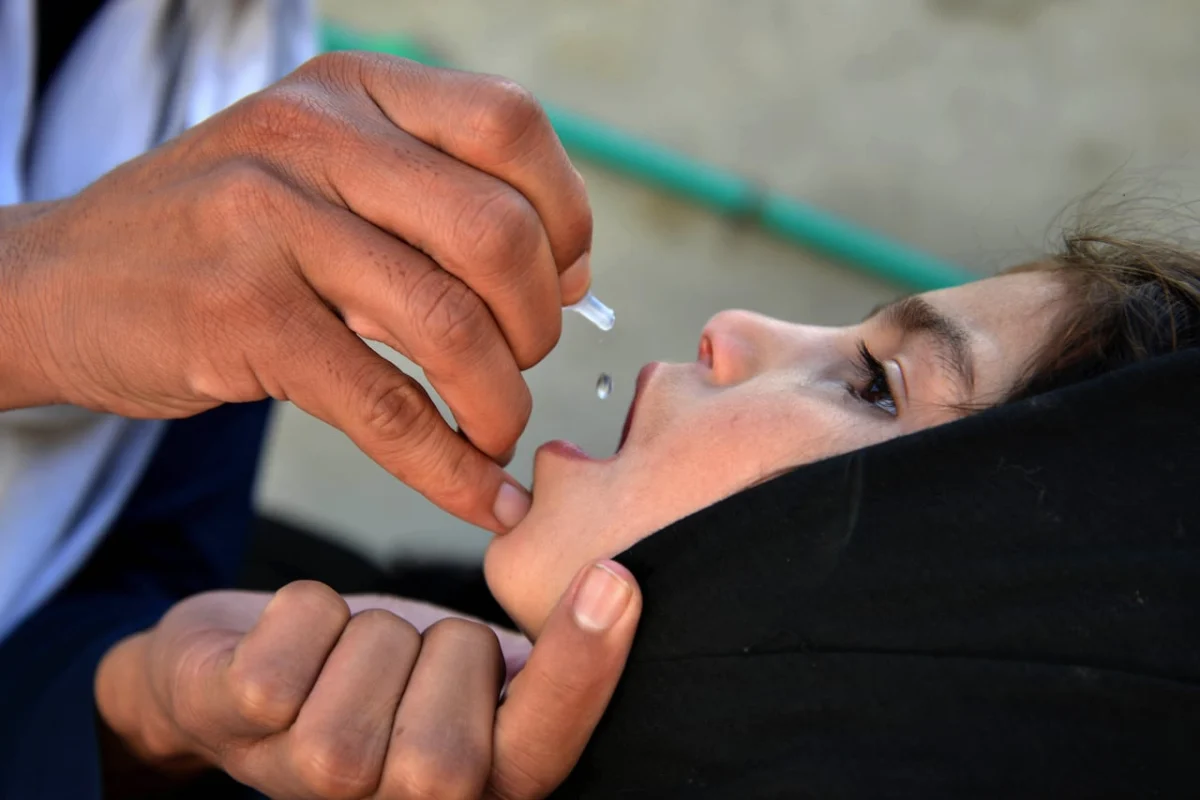
GENEVA (The Thursday Times) — Afghanistan has reported 25 of the world’s 29 wild polio cases this year, and door-to-door vaccination has not taken place there since October 2024, the World Health Organization says.
The figures come from the WHO’s polio emergency committee, whose statement was published on Friday. Accepting the committee’s advice, the WHO Director-General ruled on Thursday that the international spread of poliovirus is still a public health emergency of international concern.
Pakistan has reported four cases in 2026, all in Khyber Pakhtunkhwa, down from 31 last year. Afghanistan reported 21 cases in 2025. Wild polio now circulates only in the two neighbours, and the world recorded 99 cases in 2024.
The committee said the South Region of Afghanistan “remains the area of greatest concern”, with intense transmission because too few children there are immune.
Vaccinators kept from the door
Afghan campaigns now run on a site-to-site model, in which families bring children to fixed vaccination points. The committee said house-to-house campaigns have not been carried out since October 2024 “due to security concerns”, and that very few women work as vaccinators, particularly in the south.
Without house-to-house rounds and with few women health workers, it said, site-to-site campaigns often miss children, especially the youngest, which could spread the virus further within Afghanistan and beyond. It urged Afghanistan’s polio programme to explore ways of moving to house-to-house vaccination across the country.
Women in Afghanistan already face wider barriers to health care, with many denied treatment under rules that bar male doctors from seeing them.
Pakistan’s gains
The committee noted “with appreciation the strong leadership and high-level commitment” to eradication in Pakistan, including the engagement of the Prime Minister’s Office, and acknowledged consistently high reported coverage.
It recorded progress in the Peshawar, Quetta, and Karachi blocs, but said transmission remains intense in southern Khyber Pakhtunkhwa, where insecurity hampers campaigns, and that some parts of Karachi still have local transmission. The coming low-transmission season, it said, is a chance to lock in the gains.
Sewage testing tells a similar story. So far this year 204 environmental samples have tested positive for wild poliovirus, 128 in Pakistan and 76 in Afghanistan, against 747 in all of 2025.
One bloc, one border
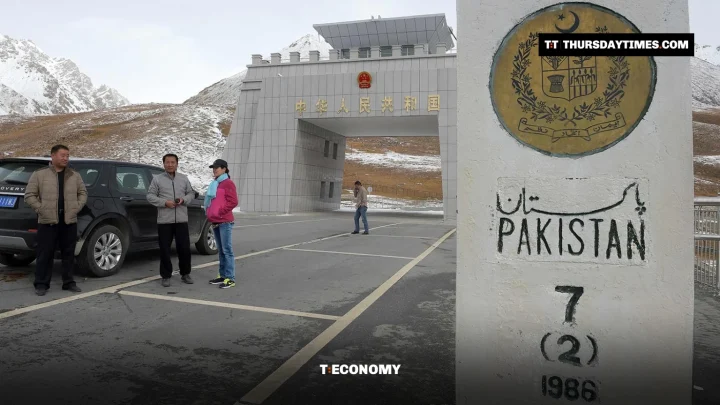
The committee said the two countries form a single epidemiological bloc and documented shared cross-border transmission as recently as mid-2026. It called for vaccination of people of all ages at border crossings to continue, and for both programmes to reach families on the move, including undocumented migrants returning from Pakistan to Afghanistan.
Elsewhere, 155 cases of vaccine-derived polio were reported across 20 countries this year up to 15 September, most of them in Africa. The Democratic Republic of the Congo and Nigeria accounted for 88 of them.