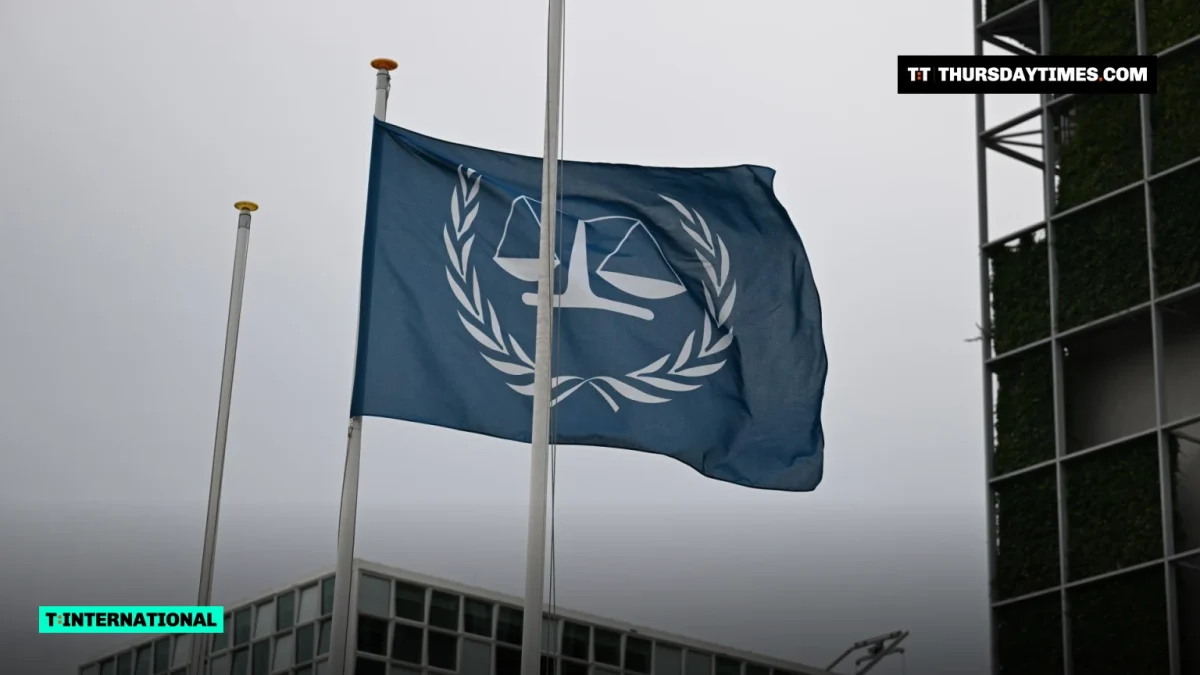
THE HAGUE (The Thursday Times) — Judges at the International Criminal Court have narrowed the court’s investigation in Afghanistan, dropping the part that could have reached US troops and intelligence officers and leaving the Taliban as its focus.
The decision, issued on Thursday and made public on Friday, also closes the line of inquiry into the Islamic State Khorasan Province (ISKP). The judges cited “significant limitations to the Prosecution’s ability to conduct its investigations and secure evidence” but did not explain further.
The prosecutor’s office says it has already appealed the ruling. The investigation into the Taliban continues as a separate inquiry.
Last month the court unsealed arrest warrants for four senior Taliban leaders over the gender persecution of women, girls, and LGBTQI+ people since the group returned to power in 2021. Women in Afghanistan are already being denied medical care under Taliban rules that bar male doctors from treating them.
How the case began
Judges authorised the Afghanistan investigation in 2020. It covered alleged crimes committed since 2002 by Afghan government forces, the Taliban, US troops, and US foreign intelligence operatives.
In 2021 the then prosecutor, Karim Khan, said he would “deprioritise” the US side of the case and concentrate on the Taliban and ISKP. Khan was removed from office earlier this year over sexual misconduct allegations.
Under US pressure
The ruling comes while the court works under US sanctions. Washington has sanctioned the court and 13 of its current and former staff, partly over the arrest warrants for Israeli Prime Minister Benjamin Netanyahu and his former defence minister, Yoav Gallant. Both reject the allegations against them.
US Secretary of State Marco Rubio has said “President Trump will never allow the International Criminal Court to prosecute Americans” and has vowed to dismantle the court “brick by brick”. The United States is not a member of the court and does not recognise its jurisdiction.
It is not clear whether narrowing the Afghanistan case will ease that pressure on the court.