ERBIL (The Thursday Times) — Iranian Kurdish opposition parties based in Iraq’s Kurdistan Region have ruled out turning themselves in to Tehran under a possible amnesty deal, saying they do not trust Iran to keep them safe.
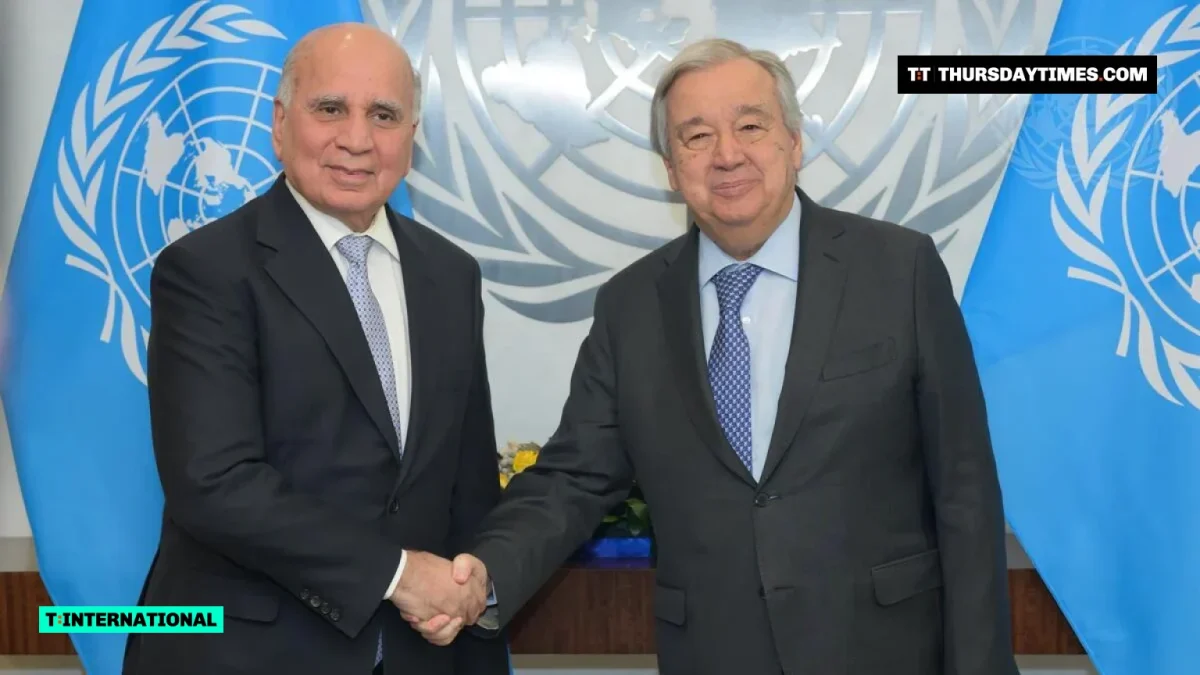
Iraqi Foreign Minister Fuad Hussein confirmed last week that one option in the talks between Baghdad, the Kurdistan Regional Government (KRG) and Tehran is an amnesty for members of the armed groups who want to go home, provided they receive credible guarantees for their personal safety. He said the parties had reached a degree of understanding on how to deal with the groups’ presence in Iraq.
“Not even an option”
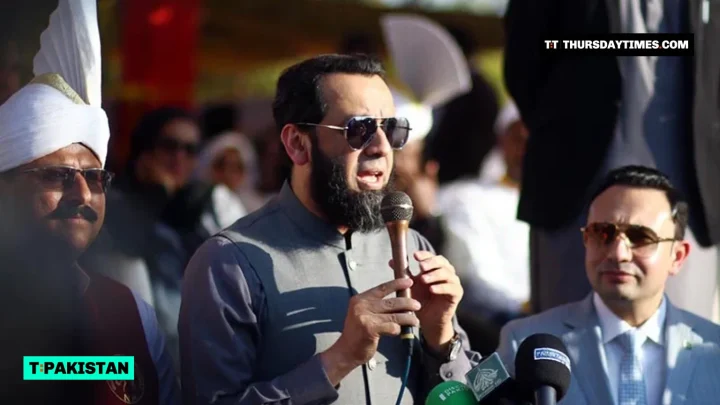
Amanj Zibaee, a central committee member of the Kurdistan Democratic Party of Iran (KDPI) and its representative in Erbil, said the party categorically rejects surrender. “The Islamic Republic of Iran makes many promises but offers nothing in practice,” he said. “Surrendering to it is something we completely reject, and it is not even an option we have discussed.”
Zibaee said the KDPI would wait for Baghdad and Erbil to announce their positions officially before deciding its response, and that the party has never used Iraqi territory to attack Iran, a key demand of the Iraqi government.
Khalil Nadri, spokesman for the Kurdistan Freedom Party (PAK), also dismissed the idea. “Iran is not in a position to grant us amnesty,” he said. “Our homeland has been occupied. We will return when our homeland is liberated and the enemy has withdrawn.” He said the party has an agreement with the Kurdistan Region not to carry out military operations against Iran from its soil.
Missiles at a Komala base
The Komala party said on Monday that two missiles struck the entrance to one of its bases in the Balisan Valley in the Kurdistan Region. Idris Kolahdozi, a member of its central committee, said there were no casualties or damage. Nobody has confirmed independently who fired the missiles. Iran has hit the groups’ camps in northern Iraq with missiles and drones for years, and the strikes have increased since the regional war began.
Pressure on Baghdad and Erbil
Iraqi government spokesman Haidar al-Aboudi said earlier this month that the talks, which began in Baghdad in October, had reached an “advanced stage”. No final deal has been made public. Baghdad says it is determined to stop its territory being used to attack neighbouring countries, and a KRG spokesman, Peshawa Hawramani, said the same for the region.
Tehran has long pressed Baghdad and Erbil to remove the groups, which it accuses of threatening its security. The parties deny this. A 2023 security agreement committed Iraq to disarming the groups and moving them away from the border. On 20 October, Iran’s ambassador to Baghdad said Iraq had agreed to expel them or hand them over, a claim the official Iraqi account of the security meeting did not repeat, and the KDPI said at the time that it had received no official notice.