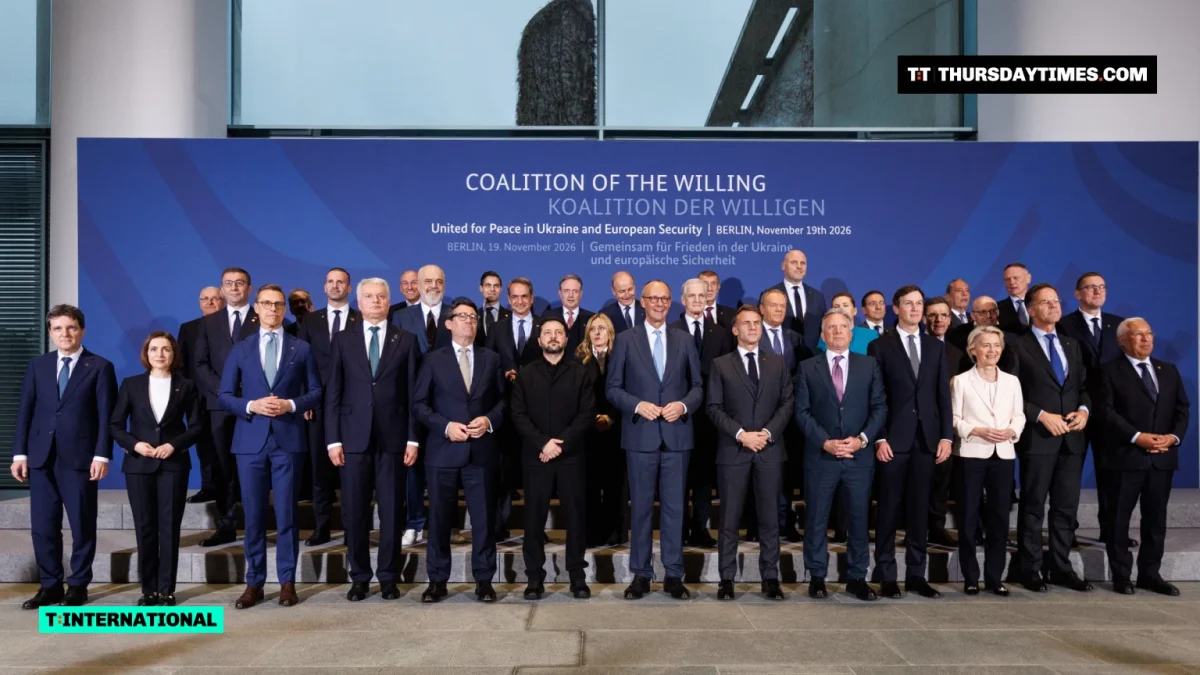
BRUSSELS (The Thursday Times) — France on Saturday rejected the compromise draft of the European Union’s 2028-2034 budget put forward by European Council President António Costa, saying it does not do enough to protect farmers’ incomes.
Costa’s proposal cuts €204 billion from the European Commission’s original plan, bringing the seven-year framework to about €1.781 trillion, roughly 10 per cent smaller in current prices. It needs unanimous approval from member states and the consent of the European Parliament.
Paris and Berlin push back
The French presidency called the draft “very disappointing” and said it “does not constitute a basis for an agreement”. Germany also rejected it, though for the opposite reason: Chancellor Friedrich Merz called it a “first step” but said overall spending remained too high. Ireland, which holds the Council presidency, proposed €140 billion in cuts in October.
What the draft contains
The draft keeps national contributions close to current levels, with the average rising from 0.80 per cent to 0.82 per cent of gross national income. Defence spending would be up 232 per cent on the 2021-2027 budget in constant prices, competitiveness funding up 120 per cent, Horizon Europe research up 57 per cent, and Erasmus up 25 per cent. Funding for migration management and border control would double, spending on the EU’s role abroad would rise 23 per cent, and 35 per cent of spending across programmes would go to climate and environment goals.
New revenue and the Trump factor
The proposal sets out five new sources of revenue, tied to the digital services revenue of large companies, the carbon border levy, non-recycled electronic waste, tobacco products, and the Emissions Trading System. Together with existing sources, they could raise about €60 billion a year. The digital element is a 3 per cent levy on major tech companies, and Costa said he would also explore taxing crypto-assets. Several member states worry the digital levy could prompt retaliation from the Trump administration.
“I believe this proposal can bring us closer to a final agreement,” Costa said, adding that he would keep working with EU leaders in the coming week.