Mustafa Abbas comes from an ordinary landowning family in Syedpur Sayedan, a village on the outskirts of Bhera tehsil in Sargodha. The Bhera service area on the motorway, on the road from Islamabad to Lahore, is also built on his land, and the adjoining land too belongs to Mustafa Abbas, alias Shah Ji. There he grew kinnow orchards and a good many crops, and spent his time going about with his friends. But who knows what came into Shah Ji's mind eighteen years ago: he suddenly got a passport made, had a visa issued in Islamabad, took an air ticket and arrived in Athens, the capital of Greece, one of the oldest cities in history and the starting point of learning and civilisation.
Here Shah Ji set up a small restaurant, and Athens helped his business to grow. Tourists from all over the world became his guests and he would talk with them, and from these conversations Shah Ji began to grasp the secret of the success of developed and peaceful countries, as well as the importance of democracy, the constitution and the law. That was the time when, after being Shah Ji the landowner and businessman, he also became Shah Ji the politician.
Naturally, with such ideas and views, his political leaning was bound to be towards Nawaz Sharif, so he went on expressing his views on social media every day without fail, with some bitterness and sometimes with humour. However, this was the expression of opinion of an ordinary political worker, in which the element of deep insight or reasoned criticism was not especially prominent. Even so, he has the right to express these views, provided we are a civilised society.
At the end of last December, when after five years he decided to come to Pakistan for a few weeks and meet his family, some relatives and friends advised him against it, and some also told him to leave his mobile phone behind and delete his social media accounts. But Shah Ji said with a laugh that he was hardly a big political leader or journalist whom state institutions would be eager to pick up. So he came home without a care.
On the afternoon of 27 March he was driving home with his eight-year-old son, Azan, after buying groceries at a nearby market, when three men on two motorcycles stopped them. After beating him, they took him, with his hands tied, in front of the child to a nearby police station. The boy began to cry loudly, and a kind policeman picked him up and left him at home. A little later the SHO of the local police station raided the house and, after berating the sister who was visiting Shah Ji's home and the other women, took away an expensive mobile phone and a watch, as well as 150,000 rupees in cash.
In the evening, in "mutual negotiations" with Shah Ji, the police demanded 500,000 rupees. He refused, saying that since he had committed no crime, why should he pay "blood money". So the negotiations failed, and the policemen left after a few punches, kicks and a stream of coarse abuse. For the next four days Shah Ji paced the lock-up, searching for his crime.
On the fifth day the crime was finally traced, and a case was registered on the complaint of a police ASI under Sections 124-A and 505 for the offence of criticising the army and the judiciary. After that, a "dangerous rebel" like Mustafa Abbas, alias Shah Ji, was sent to jail on judicial remand, and three days later he was released on bail.
Throughout this period Shah Ji stayed away from social media, but after his release he took a return ticket and, having reached Greece, began spewing fire on social media. Hearing Shah Ji's story reminded me of the story of a man from my area who had been working as a labourer in America for many years and sending money home. Once he called his wife and children to America for a visit. There, after a few days, his twelve-year-old son became hooked on American law and children's rights, so one day, when the father scolded him over something, the son, in all innocence, phoned the police, who arrived at once and took the father into custody. The next day, when the father was released and came home, contrary to expectation he praised his son, and the matter was left there.
مہینہ گزرا تو والد نے کسی قریبی رشتہ دار کی موت کا بہانہ بنایا اور بیوی بچوں کو ساتھ واپس پاکستان لے آیا اور جب جہاز پشاور ایئر پورٹ پر لینڈ کر گیا تو والد سب سے پہلے جہاز سے نیچے اترا اور سیڑھیوں کے قریب کھڑا رہا بیٹا عینک لگائے اور بیگ لٹکانے جیسے ھی نیچے اترا تو پہلے ھی سے تاک میں بیٹھا والد کمال پھرتی کے ساتھ اس پر جھپٹ پڑا اور زمین پر گرا کر مکوں کی بارش کرتے ہوئے کہا کہ اب بلاو نا اپنے امریکی باپوں کو وہ تو بھلا ہو جہاز میں آنے والے مسافروں کا جنہوں نے بمشکل بچے کی جان بچائی
لیکن المیہ یہ ہے کہ شاہ جی پاکستان کے حدود سے نکل کر سوشل میڈیا کے ذریعے ” نظام کی جو مار پیٹ ” کر رہے ہیں تو بچانے کے لئے “مسافر” بھی دستیاب نہیں۔
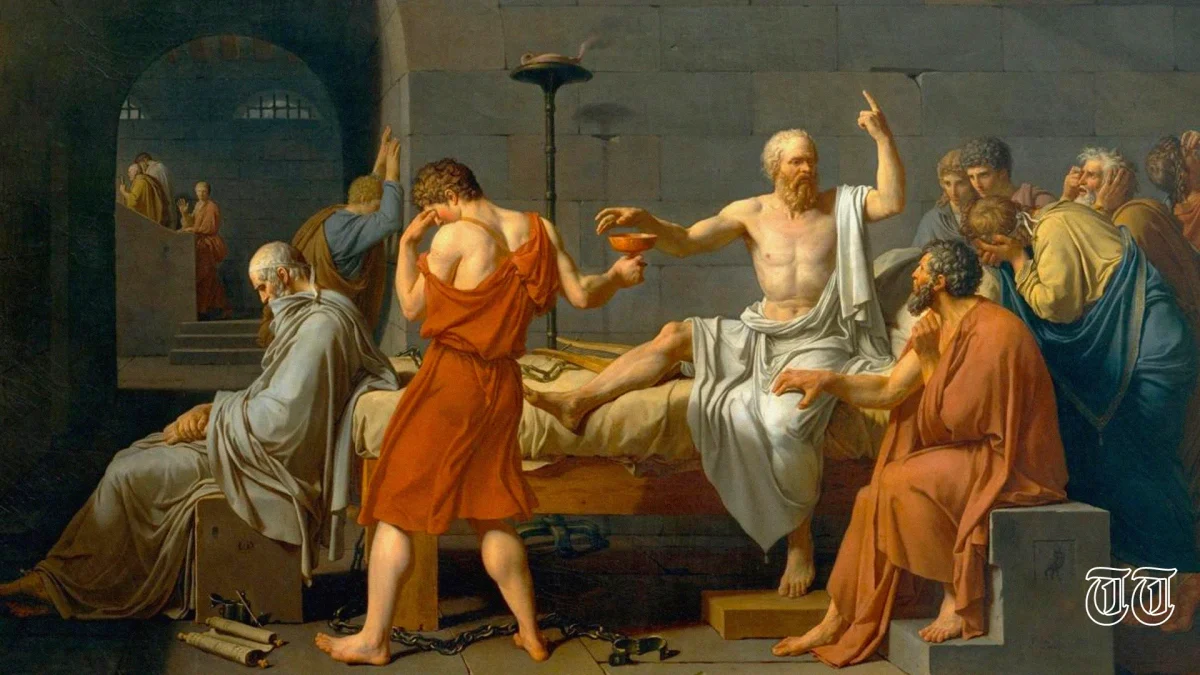
شاہ جی سے کوئی رابطہ نہیں ہوا ورنہ میں انہیں بتاتا کہ یونان کے جس شہر (ایتھنز ) میں آپ مقیم ہیں اسی شہر میں تقریبا ڈھائی ہزار سال پہلے سقراط نامی ایک غریب ترکھان نے پہلی بار قانون کی یکساں عملداری کی چیخ ماری تھی جو آج آدھی دنیا کو آئین اور قانون کے ساتھ تہذیب اور امن کے دائرے میں لے آیا ہے لیکن ھم وہ بد قسمت لوگ ہیں جنہیں ابھی تک وہ چیخ نہیں پہنچی جس چیخ نے نیم وحشی مغربی ملکوں کو دنیا کے مہذب ترین اور ترقی یافتہ معاشروں میں بدل دیا۔