It is time Imran Khan's Afghan policy was called by the name that describes what it was: a disastrous self-regard wrapped in the cloak of moral tradition, an emotional theatre in which closeness was mistaken for power, and Pakistan was then left exposed before the very forces against which he presented himself as the standard-bearer of resistance. What we are seeing today is not some minor correction of policy but a belated rescue mission, a struggle to dig out from under the rubble of one man's misconceptions about the Taliban and the elements operating in their shadow, while Shehbaz Sharif and Asim Munir have both, at the same time, come to understand this reality.
On Kabul, Imran Khan was not merely mistaken; he adopted a romantic approach to it. He saw the Taliban's return as the historical vindication of an imaginary brotherhood, as though a shared language could erase geography, history and the stains of the blood of Pakistan's martyrs. In this same delusion, figures who deserved to be kept permanently out of sight were made part of state affairs and politics once again, and at times were even permitted personal involvement. Those who had once counted for little suddenly began to enjoy proximity to the centre.
Not idealism alone but also recklessness is the unforgivable crime of that era; hardline prisoners were released from Pakistani jails, people with clear links to extremist networks were presented as intermediaries and mediators, and in the name of reconciliation faces were brought from Afghanistan to Pakistan whose loyalty had never been to the Pakistani state. This was called strategic subtlety, but in practice such steps hollowed out the state's own defence system.
Today's Pakistan is bearing the consequences of these very wrong decisions. The Tehreek-e-Taliban Pakistan, Baloch militant cells and the violent networks linked to them are operating in an environment that arose, in part, from leniency and accommodation. No serious analyst claims that Imran Khan himself gave birth to terrorism. But what Imran Khan did, and what his supporters shy away from confronting, is that he weakened the moral, legal and psychological barriers that stood in the way of the enemies' return. Imran Khan made it easier for the state's opponents to gain a foothold, and made it harder for the state to adopt an organised and united approach.
When funerals become routine, ideological explanations cease to matter. Whether a soldier from Khyber Pakhtunkhwa or from Balochistan, a worshipper in a mosque or an ordinary citizen shopping in a market, none of them is paying the price of some vague theorising. They are bearing the consequences of decisions taken by policymakers who were convinced that Pakistan could manage elements that had never completely renounced violence in politics. Not to hold such decisions responsible for the present situation is an injustice to the living and an insult to the dead.
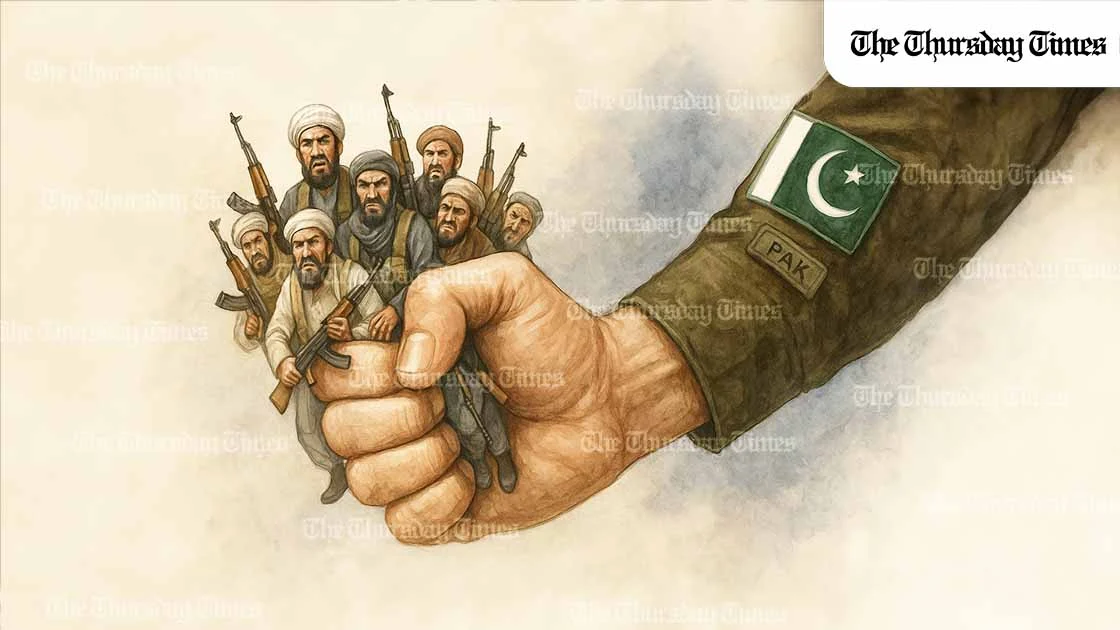
In this context, the stance the state has adopted today is by no means a lust for power but a serious change in institutional policy. Under the leadership of Field Marshal Asim Munir, our Afghan policy has been taken out of the theatre of personalities and given limits set by rules and regulations. Afghan nationals who have violated Pakistani law are facing legal proceedings and are being sent back to their homeland. Afghan refugees are not being raised up as a symbol, nor used for photo opportunities; they are being treated as a legal matter and dealt with accordingly. There may be disagreement over procedure and safeguards, but fundamentally the state's position is neither wrong nor malicious. This is the language of borders, to which the state must in the end return.
Predictably, those who once applauded symbolic gestures are now calling deportation cruelty. In political rage, it is forgotten that Pakistan hosted Afghans fleeing war for decades. It must be understood that there has been no change in the historical record of hospitality; rather, the patience shown in the face of exploitation has run out. A state that refuses to distinguish between the unarmed and vulnerable and armed elements, or that puts those seeking refuge and those who use refuge as a shield in the same line, is in truth not kind but careless and short-sighted about its own survival.
Pakistan is now stating its position openly. At Doha, Ankara and other regional forums, officials are now speaking more candidly about terrorist networks, their safe havens and the regional consequences of leniency. This is not merely a publicity campaign but an effort to bring narratives at the international level into line with the reality of conditions at home. Wherever extremist infrastructure is tolerated, it causes problems locally and also expands itself.
The real difference between the present era and the Imran Khan era lies in principled position. The toying with the state at that time was perhaps based on the idea that flattery, closeness and a change of narrative could turn hardline actors into responsible partners. Now, at least, it is accepted that some groups are not our estranged relatives but deliberate saboteurs, that limitless accommodation of them is no kind of virtue but amounts to complicity in crime, and that recognising this is not heartlessness but the starting point of any sound and effective security policy.
For all that, the present set-up cannot be absolved of accountability, because these lines may blur in practice, the innocent may be caught up in harsh measures, and the deportation system may be misused. These risks undoubtedly exist, and independent oversight is needed in view of them. Even so, the verdict of recent history cannot be rewritten. Where pressure, clarity and distance were needed, Imran Khan left Pakistan's security structure at the mercy of charisma and sentiment. The approach of the present government and the military leadership is not romantic but corrective.
For the first time in years, the centres of civilian and military power appear to agree on one serious point: Afghan policy can run neither as a stage for self-display nor as a talk-show script. It must be framed candidly in the national interest, something that past populist campaigns did not allow. Pakistan will have to deal with the region, Kabul included, from a firm position that is neither apologetic about saving Pakistani lives nor turns that duty into a spectacle.
پاکستان کیلئے آخرکار اِس حقیقت کو زبان پر لانا ہر گز باعثِ ندامت نہیں ہے کیونکہ ایک خودمختار ریاست کو صرف یہ حق ہی حاصل نہیں بلکہ اُس کی ذمہ داری بھی ہے کہ اپنے دروازے اُن عناصر کیلئے بند رکھے جو ریاست کی مشکلات اور نرم رویہ کو اپنا ہتھیار بنا لیتے ہیں۔ مسئلہ یہ نہیں کہ آج سخت لکیریں کھینچی جا رہی ہیں بلکہ افسوس یہ ہے کہ کبھی اِن لکیروں کو اُس سراب کیلئے مٹا دیا گیا تھا جو پاکستان کو ایک آسان اوزار سے زیادہ کچھ سمجھنے کو تیار ہی نہ تھا جبکہ پاکستان آج انھی غلطیوں کا خمیازہ بھگت رہا ہے۔ ہمیں کم از کم اتنا تو یاد رکھنا چاہیے کہ اُن غلطیوں کو دانش مندی قرار دینے پر کون بضد تھا۔