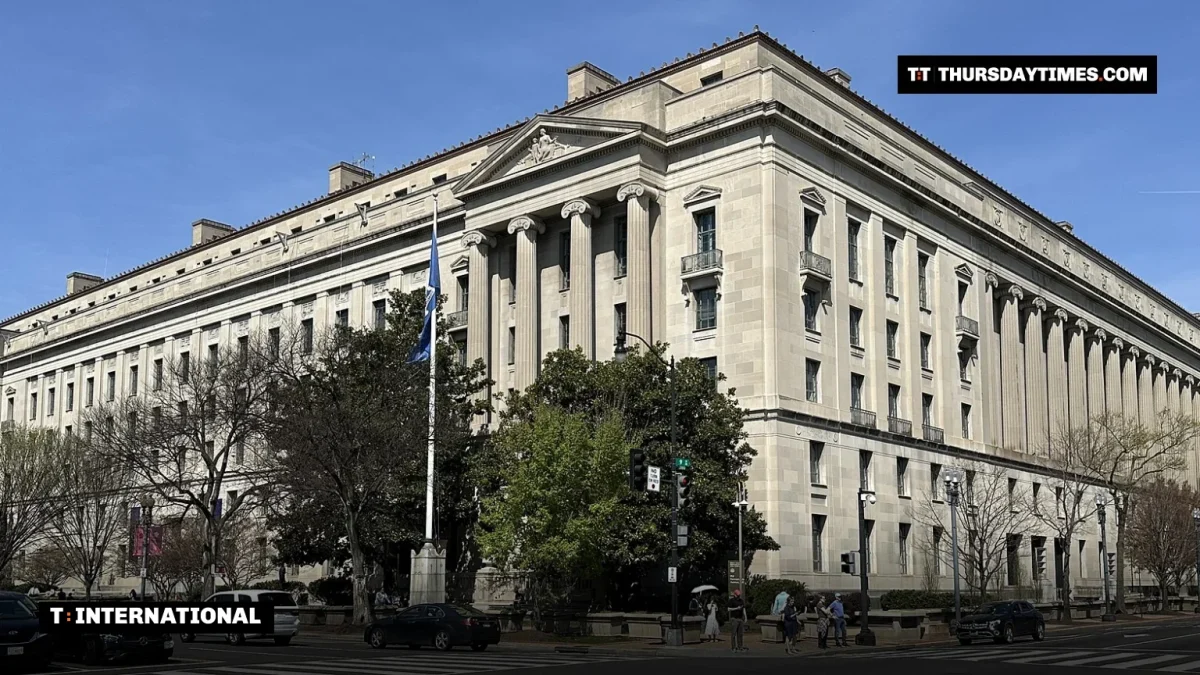
WASHINGTON (The Thursday Times) — The US Justice Department said on Tuesday it was sending 1,000 election monitors and observers to all 50 states, in what it called the largest election day monitoring effort in its history, as Americans voted in the midterm elections.
That is roughly three times the number sent for the last midterms. A department statement named the jurisdictions in each state that would receive them.
Officials have said the priorities include areas with a history of problems with voter access, and places with competitive races that could be targets of voter intimidation. “Election monitors will be checking for compliance with the federal voting rights statutes that fall within the jurisdiction of the (Civil Rights Division),” the statement said.
Their powers are limited. Several states have issued new guidance to local officials and poll workers about what the observers can do. Some state and local laws let election officials keep them out of polling places, and department staff cannot carry out investigations on the spot or stop anyone from voting.
The deployment comes as the Trump administration takes a more aggressive approach to overseeing elections. It has pressed states for voter registration data and argued that stricter measures are needed to ensure public confidence in the vote. Critics call that federal overreach.
This week, the Supreme Court rejected the administration’s bid to set aside ballots in California, and a judge threw out a department bid to block Alaska’s Senate result.