NEW YORK (The Thursday Times) — At least 25 seafarers have been killed in and around the Strait of Hormuz since the war with Iran began in February, a senior United Nations official has told the Security Council, warning that attacks on merchant shipping must not become “the new normal”.
Khaled Khiari, the UN’s assistant secretary-general for the Middle East, Asia and the Pacific, said the International Maritime Organization had recorded 136 security incidents involving ships in Hormuz and the wider Middle East between March 1 and November 11. October was the worst month since the conflict began, with 35 incidents, and 10 more were logged in the first 11 days of November.
“Every day brings new reports of maritime incidents,” Khiari told the council on Friday. “These incidents are unacceptable. Civilian vessels and commercial shipping must not become targets.”
He called for navigation in the region to be fully restored, saying the present maritime arrangements were “costly, unpredictable, and unsafe”, and that the disruption was driving up energy, transport, and insurance costs, fuelling inflation, and threatening food security as fertiliser shipments are squeezed.
Crews in the line of fire
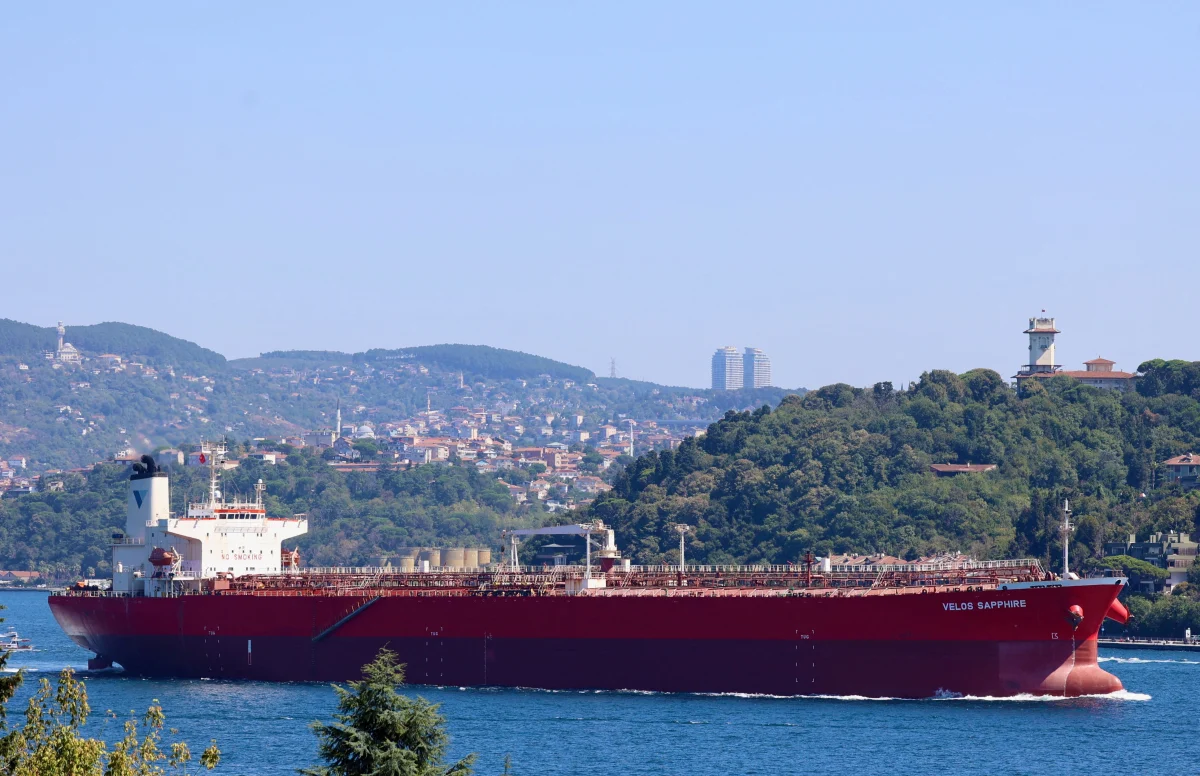
Recent deaths include a seafarer found fatally injured aboard the Marshall Islands-flagged tanker Velos Sapphire after an explosion, believed to have been caused by a missile, as the ship sailed unladen towards Bahrain on November 5, its Greek manager said. Days earlier, an Indian crew member died when the India-flagged vessel Al Jusufi was struck off Oman; 13 others were rescued by the Omani coast guard.
Shipping through the strait is running about 65 percent below pre-war levels, according to the UK Maritime Trade Operations centre. Iran says ships need its approval to cross, and its navy warned on Saturday that any tanker entering a restricted area east of the strait would be “set on fire by hitting naval mines”, after Tehran said three more tankers had struck mines and caught fire. The US military says it has cleared the main routes of mines and that the waterway is open to commercial traffic.
A plea for fertiliser ships
Separately, Jorge Moreira da Silva, who heads the UN Office for Project Services and leads a UN task force on getting fertilisers through the strait, told the COP31 climate summit in Türkiye on Saturday that Iran and the United States should “immediately” let fertiliser shipments pass, even while they negotiate a wider deal.
“Basically what we need is five vessels a day with fertilisers,” he said, adding that the UN had a system ready to get shipments moving within seven to 10 days.
Before the war, about a third of the world’s fertilisers passed through Hormuz, and their prices have since risen by 30 percent, he said. He warned that 45 million people could face severe and acute food insecurity if farmers kept missing planting seasons, and named Mozambique, Kenya, Sudan, Somalia, Nepal, Bangladesh, and Sri Lanka among the countries hit hardest.
The council met at Bahrain’s request. At the same meeting, Pakistan’s envoy said threats to shipping in Hormuz and the Bab el-Mandeb endangered seafarers and worsened energy and food insecurity. Iran says the strait will stay shut until Washington meets its conditions, including an end to the US naval blockade of Iranian ports, the lifting of sanctions, and the release of frozen funds.