TEHRAN (The Thursday Times) — Iran’s Revolutionary Guards on Saturday rejected France’s accusation that one of their cyber units sabotaged refrigeration systems at about 700 French supermarkets and food businesses, with their spokesman warning Paris to “beware the Zionist regime’s false flag trap”.
In a post on X, the spokesman, Hossein Mohebbi, called the allegation a “ridiculous claim” and said it was part of an old Israeli playbook for stoking fear of Iran and winning allies in Europe. “Unlike the US and the Zionist regime, civilians have no place on the target list of the Islamic Revolutionary Guard Corps,” he said.
The Guards’ denial follows a statement from Iran’s foreign ministry on Tuesday, which described the French accusations as “baseless and hostile”. Iran routinely denies carrying out cyberattacks.
What France says
French authorities blamed the Guards on Monday, November 9, in a five-page report by the country’s Cyber Crisis Coordination Centre, which brings together the national cybersecurity agency ANSSI, the military’s cyber command, and the DGSE and DGSI intelligence services. It said the attack was carried out by Shahid Kaveh, a unit of the Guards’ Electronic and Cyber Centre.
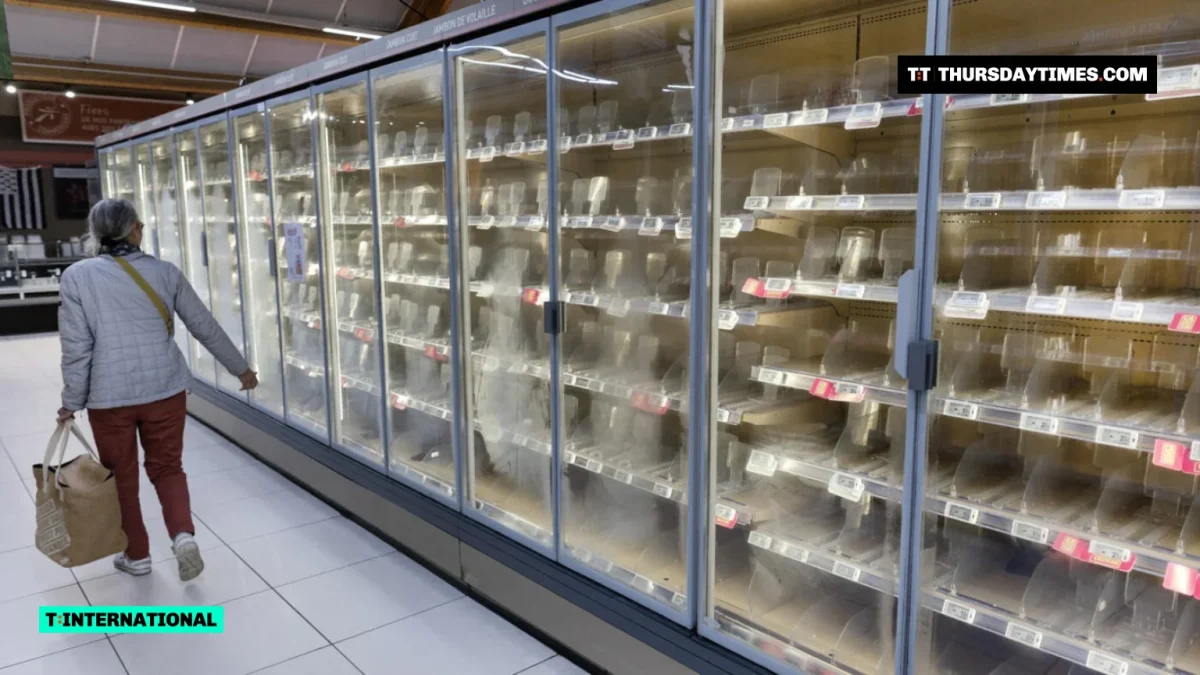
On October 11 and 12, the hackers took over software that lets stores manage their cold units remotely and pushed temperatures inside some fridges as high as 50C overnight, according to French officials. Stores run by several large chains were hit, along with butchers, a slaughterhouse, and food-processing cooperatives. Tonnes of chilled and frozen food had to be thrown away, and the report said the attack caused at least 15 fires. TT explained at the time how the hack turned freezers into ovens.
Foreign Minister Jean-Noël Barrot called it “the first large-scale cyber-attack aimed at sabotage on our national territory” and said it was unprecedented in its scale and level of aggression. France summoned Iran’s ambassador and said it would push for European sanctions against those responsible.
The Paris prosecutor, Laure Beccuau, opened a judicial investigation into the head of Shahid Kaveh and two of his deputies and requested international arrest warrants. An annex to the French report names Hamid Reza Lashgarian, head of the Guards’ Electronic and Cyber Centre, and Mahdi Lashgarian and Reza Salarvand as commanders of the unit.
The report cites Farsi-language text found in the attackers’ tools, and infrastructure the hackers had used to scout other industrial equipment. It says the same group targeted equipment at several small hydroelectric plants in France at the same time, causing moderate disruption.
A wider wave
US agencies have identified Shahid Kaveh as another name for CyberAv3ngers, a group they linked to attacks on industrial control systems at US water utilities in 2023. The US State Department has offered rewards of up to $10 million for information on Guards officials connected to the group.
A second wave of hacks in early November hit supermarket freezers in several other European countries, as well as freezers at sites of France’s national blood service. The French report does not cover that wave. Two Russian-aligned hacktivist groups claimed the attacks, though experts doubted them, and US agencies have since warned of an ongoing threat to cold-storage systems.