TEHRAN (The Thursday Times) — Iran will not let UN nuclear inspectors into its damaged facilities until the war has ended for good and Tehran’s conditions are met, Deputy Foreign Minister Kazem Gharibabadi said in a televised interview on Sunday night.
“We will not grant the IAEA access to the facilities until Iran’s conditions are met and the war has permanently ended,” Gharibabadi said. His remarks came days after the International Atomic Energy Agency urged Tehran to take steps toward resuming inspections, which have been suspended since last year’s 12-day war with Israel, when the United States also struck Iranian nuclear sites.
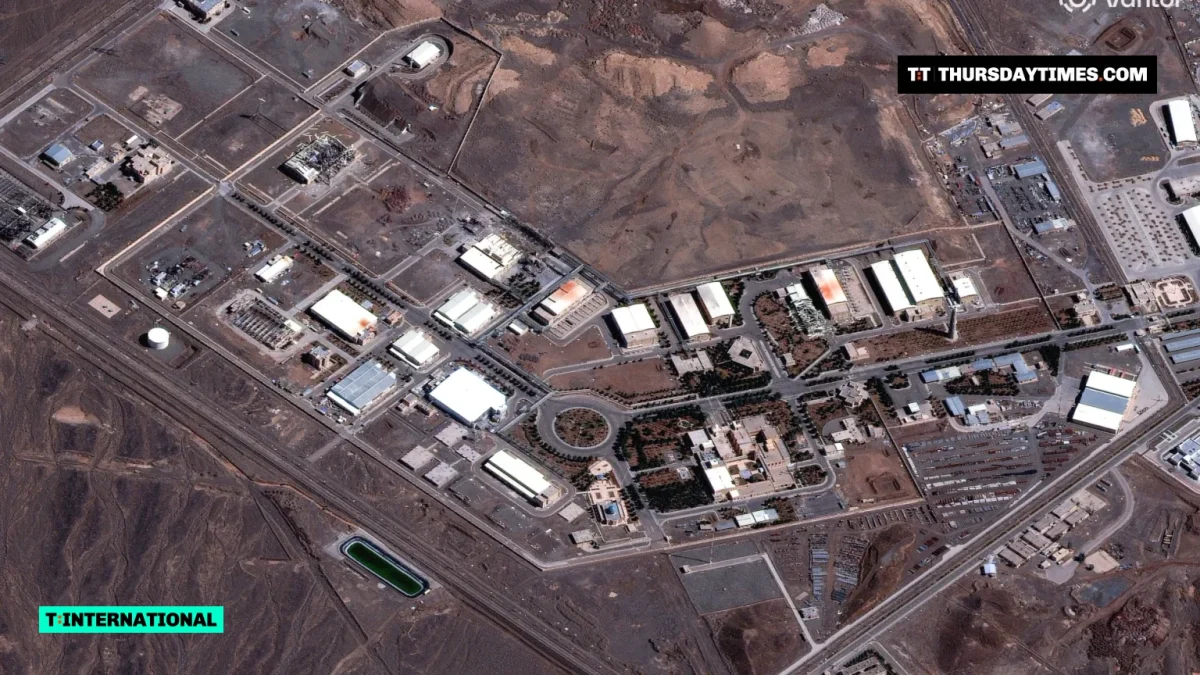
Iranian nuclear facilities were hit again in the Middle East war that began on February 28, when US-Israeli strikes killed Supreme Leader Ayatollah Ali Khamenei. IAEA inspectors visited the Bushehr nuclear power plant in September, but they have not been allowed into other bombed sites, including Natanz, Fordow, and Isfahan.
Suspicion of the agency
Gharibabadi said the agency’s request to inspect the damaged facilities was “likely aimed at assessing the effectiveness of American weaponry.” He said the agency must first address the extent of the damage and the security risks, including the possibility of further attacks, and he criticised the IAEA director general for failing to take an appropriate position on the strikes, which hit sites that were under the agency’s supervision.
He also raised concerns about how information on Iranian nuclear scientists had reached what he called terrorist operatives, and suggested Iran needed to review the agency’s requests and activities with more caution.
Gharibabadi rejected US and Israeli allegations that Iran is seeking nuclear weapons, saying no credible evidence has been presented in three to four decades. He stressed that Iran remains a member of the Nuclear Non-Proliferation Treaty, and he separated that membership from the dispute over inspector access. Iran’s obligations under the treaty are reciprocal, he said, and it cannot be expected to meet them while its facilities are attacked and its security concerns go unaddressed.
No movement on the wider war
Efforts to end the war have made little headway. Tehran is demanding that Washington unfreeze Iranian assets and lift sanctions, among other conditions, in exchange for reopening the Strait of Hormuz, the vital energy shipping route Iran has blockaded during the conflict. Iranian officials have said talks on the nuclear programme would come at a later stage.
Earlier this month, the US military announced a $20 million reward for information on Iran’s nuclear programme, a move Tehran called “repugnant.”