A grave silence hangs over the room. A coffin lies against the wall opposite, while a few women and men stand motionless in different corners of the silent room. Two or three soldiers salute the coffin and turn away, somewhat clumsily, contrary to custom. A sobbing woman, accompanied by a man, moves towards the coffin, which faces a cautionary dearth of lamentation and mourning.
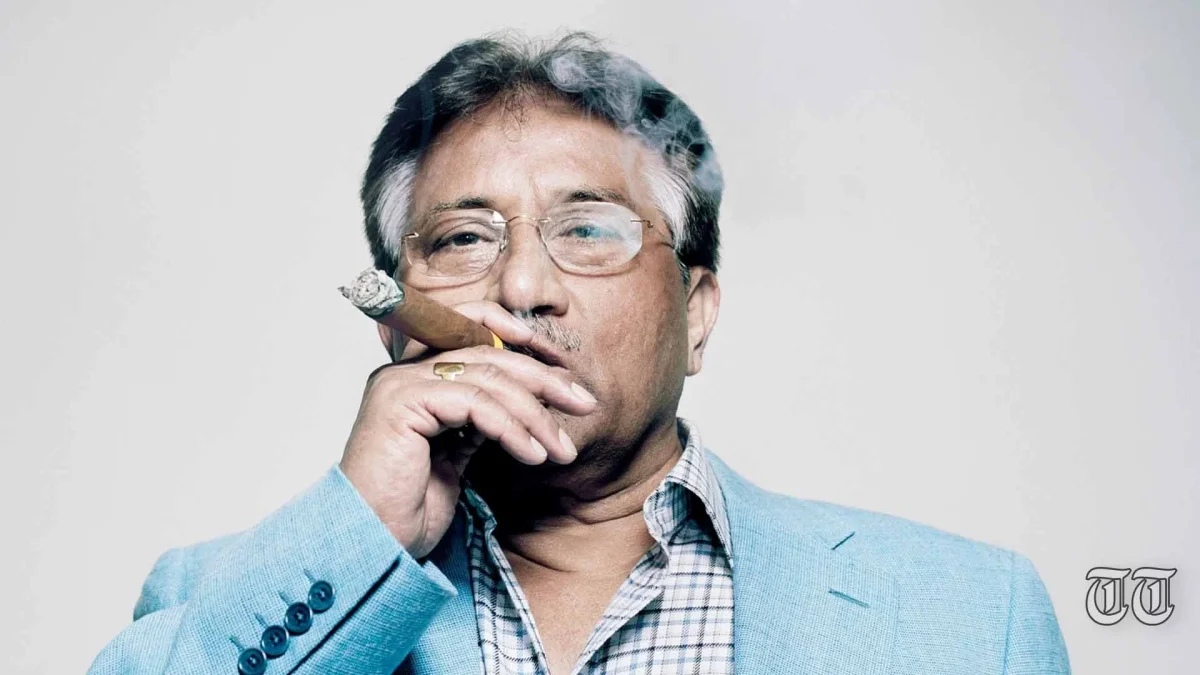
A little later there is another scene. Troops have cordoned off a field, and the same coffin is set before them. A few big men are stepping out of large vehicles, yet the searches are still extremely strict, because the matter is highly "sensitive". Of the limited number of participants, most are army officers, though a small number of the elite in three-piece suits are also represented, on whose faces necessity and compulsion, rather than grief and mourning, are written. Once the funeral prayer had been offered, uniformed soldiers lifted the coffin, and the former dictator Pervez Musharraf was consigned to the court of Almighty God and the history of his nation.
Pervez Musharraf was the only man in history whose death caused a controversy across the country rather than mourning. The nation stood with the verdict of the late Justice Waqar Ahmed Seth, while the powerful class stood with its ego in the opposite direction, so far apart that the burial with state honours not only provoked a fierce public reaction but led the Senate of Pakistan to refuse even to offer fateha. On the other hand, mindful of the requirements of his office, Prime Minister Shehbaz Sharif issued a one-line condolence statement, but all civilian political circles, far from attending any condolence gathering, were instead seen raising the banner of the late Justice Waqar Ahmed Seth's courageous verdict. This is the attitude, moving towards change, that sprang from an abundance of awareness, thanks to the changing times and scientific evolution.
Otherwise, the picture in the past was very different. During the British period, an ignorant and venal clergy, along with saint-worship and feudalism, was used to keep a hold on backward societies, and they were continually pushed towards religious sentimentality and propaganda that were far removed from the facts and bore no fruit. But all praise to those enlightened and proud sons of the soil who, in the most unfavourable seasons and the hardest of circumstances, raised the banner of awareness and also tore open their own collars. From Ahmad Khan Kharal to Bacha Khan, and from Ubaidullah Sindhi to Sheikh Muhammad Tahir Panjpir, there is a vigorous, courageous and proud line of men who even then spoke out against the "prevailing order" and were left bloodied.
In 1947 the scene apparently changes, but in reality the situation remains exactly as it was. That is why, from the very first day, the power coming into the hands of the local establishment sets off along "the old path". This eventually brings forth Ayub Khan's long martial law, EBDO, Basic Democracies, the branding of Fatima Jinnah as a traitor, the Convention Muslim League and the Decade of Development, together with such deceptions and theatrics. All of this was waved about by Radio Pakistan, the newspapers of the National Press Trust and so-called journalists such as Qudratullah Shahab, Altaf Gauhar and Z A Suleri, who kept misleading the public with false propaganda. Consider the irony: when Ayub Khan, having lost the struggle for power to Yahya, departs, then, keeping up "tradition", a process begins of presenting this dictator as a hero, and handsome pictures of a dictator suddenly start appearing "from nowhere" on trucks and oil tankers. Beneath them is also written the caption "I remembered you after you had gone". With criminal negligence, these plant invented stories and "Ayub Khan's era was good" in the minds and on the tongues of an uninformed and backward society. Yahya Khan's "burial with state honours" after acquiring General Rani and losing half of Pakistan, and the funeral of Zia-ul-Haq, who hanged an elected prime minister, shown live on PTV with Azhar Lodhi's weeping and wailing, make the "slumbering" society more slumbering still.
لیکن پھر اچانک کہیں سے انٹرنیٹ سوشل میڈیا اور سمارٹ فونز نمودار ہوتے ہیں اور “رنگ میں بھنگ” ڈال دیتے ہیں۔ یہی وہ جدید اور تازہ دم منظر نامہ ھے جو ماضی کے برعکس شعور کی روشنی اور خبر کی رسائی سے لیس بھی ھے۔ جو قانون کی یکساں عملداری سے بھی واقف ھے اور قانون سے خود کو بالاتر سمجھنے والے اس طبقے سے بھی جو اب بھی یہی سمجھ رہے ہیں کہ یہ معاشرہ ماضی کی مانند ابھی تک خوابیدہ ھے۔ حالانکہ جنرل پرویز مشرف کی موت پر دیا گیا خلاف معمول اور چونکا دینے والا ردعمل اور مرحوم جسٹس وقار احمد سیٹھ کے فیصلے کی گونج سے تشکیل پاتا منظر نامہ پروپیگنڈے کی بے ثمر اور بوسیدہ شاخوں سے لٹکے ہوئے ماضی سے دامن چھڑاتا بھی نظر آ رہا ھے اور مستقبل کی حقیقت شناس اور ثمر بار بود و باش سے ہم آھنگ فضاوں کی جانب گامزن بھی۔