DUBLIN (The Thursday Times) — About 12,000 books once banned in Ireland as indecent or obscene are to leave the locked room at the justice department in Dublin where they have been kept for decades, and go to the National Archives, under the repeal of the country’s censorship laws.
The ledgers, minutes, and notes in which the censors recorded why each book was banned will be made available to the public for the first time, according to the National Archives and the department.
The collection, informally known as the banned books room, sits in the department’s building on St Stephen’s Green and has rarely been opened to outsiders. It ranges from classics to pulp paperbacks and academic works, all banned at some point between the late 1920s and 1996.
From Wilde to Edna O’Brien
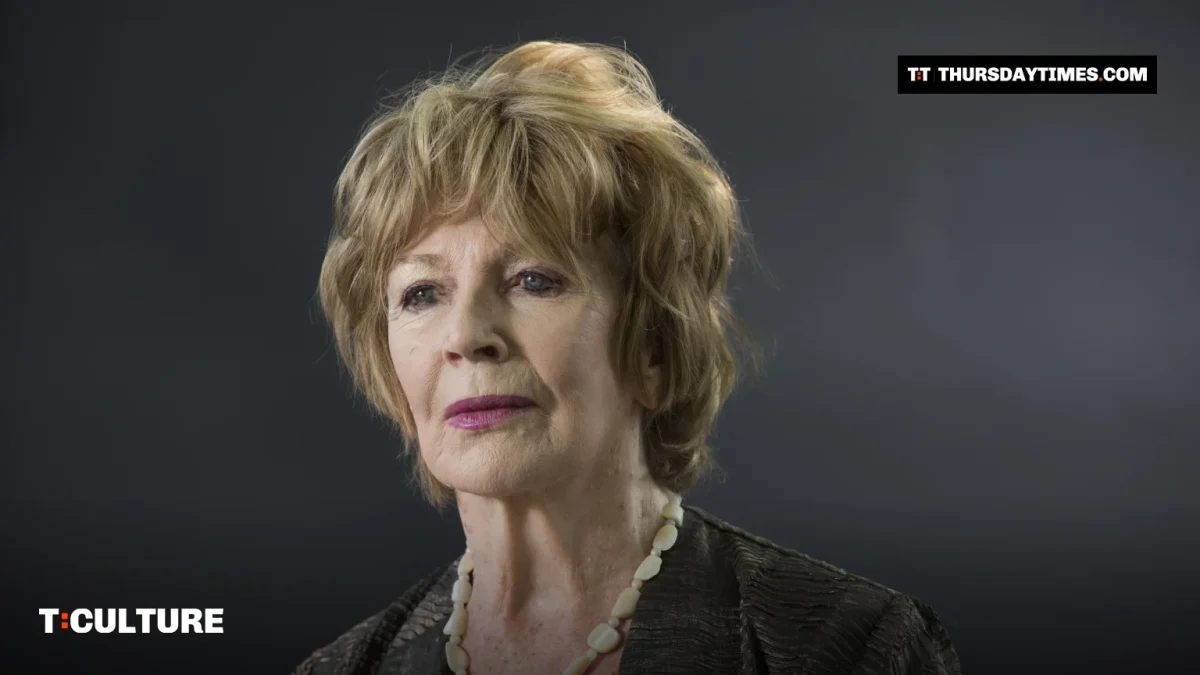
The titles include Oscar Wilde’s The Picture of Dorian Gray, Brendan Behan’s Borstal Boy, DH Lawrence’s Lady Chatterley’s Lover, and Edna O’Brien’s first novel, The Country Girls, published in 1960. Works by Ian Fleming, JD Salinger, John Updike, and F Scott Fitzgerald were also banned, along with obscure titles such as The Hygiene of Marriage and The Complete Husband.
“The censors prohibited works that they saw as contravening or subverting public morality – anything that was seen as unwholesome or suggestive of sexual immorality,” said Orlaith McBride, the director of the National Archives. “It was often just the innuendo of something that could have been perceived as likely to corrupt or deprave.”
References to family planning, contraception, and violence were likely to bring a ban, she said, and so was suggestive imagery. In the case of The Country Girls, McBride said, the problem was partly the cover, on which “you can see the contours of the female form”.
A century of censorship
The system grew out of the Committee on Evil Literature, set up by the Irish Free State in 1926. Its recommendations led to the Censorship of Publications Act of 1929 and a board that vetted books sent in by members of the public and customs officers. In the 1930s the board even took out a subscription to a London book club to find material to review.
Brian Hughes, a history lecturer at Mary Immaculate College in Limerick, said attitudes had changed so much that readers today would be surprised the books were ever banned. “There’s no reason anymore for any of these books to be considered banned,” he said.
The censors’ registers and notes were transferred this week and are being conserved before they go on public view. The books themselves will move after Christmas. Many are fragile first editions and will not be open to the public, McBride said, though most of the titles are easy to find in bookshops today.