JUBA (The Thursday Times) — South Sudan has postponed its first national elections since independence once again, moving the vote from December 22 to February 11, 2027, as registration of voters began across the country on Saturday.
The National Elections Commission announced the new date in a revised electoral calendar. Its secretary general, Ahon Malou Lueth, confirmed the postponement but gave no reason for it.
The 51-day delay is the latest in a long series. South Sudan first set 2022 as its election year and has pushed the vote back at least three times since, extending a transitional period that was meant to end years ago.
Registration opens with little money
Under the new timetable, voter registration runs from November 14 to November 28. A 45-day campaign will run from December 27 to February 9, followed by a day of silence before polling on February 11.
Gabriel Bol Deng, the commission’s chairman, said more than 3,100 registration centres had been set up across the country and more than 22,000 staff recruited for the operation.
The commission has received only $21 million of the $276 million it asked for to organise the elections. According to the World Bank, about 90 per cent of South Sudan’s 15 million people have no state-recognised identification. Deng said those without papers, particularly in rural areas, would be identified by community leaders and given an identification form so they can vote.
Warnings from the UN and AU
The new date comes days after the UN Security Council heard warnings that the country was not ready to vote in December. UN and African Union officials cautioned that a rushed or badly run election could undermine a fragile peace and push South Sudan back into conflict.
In September, President Salva Kiir dissolved the transitional unity government and appointed a caretaker administration. The step allowed the country to move towards elections without first completing a permanent constitution and a census, two processes that had been tied to the transition.
Critics said the move dismantled the power-sharing arrangement at the heart of the 2018 peace deal. “This amounts to a constitutional coup through legislative reforms,” Yasmin Sooka, chair of the UN Commission on Human Rights in South Sudan, said in October.
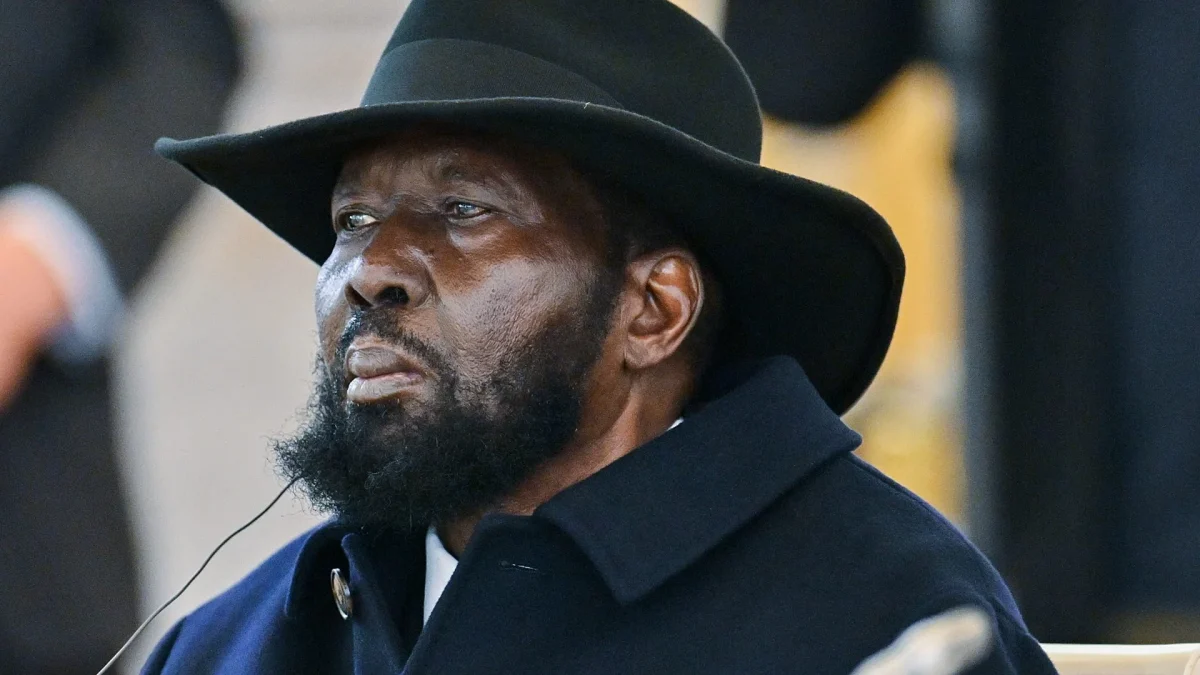
Kiir has said he will stand. “I will be on the ballot,” he said in July, confirming he would run for president for the ruling Sudan People’s Liberation Movement and urging South Sudanese to register.
A fragile peace
South Sudan became independent from Sudan in 2011. Forces loyal to Kiir and to his rival Riek Machar fought a civil war from 2013 to 2018 that killed at least 400,000 people.
Machar, the former first vice-president, has been under house arrest since March 2025 and is accused of crimes against humanity. Clashes between government forces and his followers have escalated in recent months, alongside ethnic violence and cattle raids. Earlier this week, Amnesty International said the UN and South Sudan had ignored warnings before about 200 people were killed in Abiemnom.
The February vote would be the first time South Sudanese elect their national leaders since independence.