ڈونلڈ ٹرمپ کے وائٹ ہاؤس میں واپس آنے کے ساتھ ہی اسلام آباد اور دیگر مقامات پر سرگوشیاں بلند ہوتی جا رہی ہیں۔ کیا ٹرمپ کی صدارت پاکستان کے سابق وزیر اعظم عمران خان کے لیے سفارتی پلٹاؤ ثابت ہو سکتی ہے، جو اس وقت متعدد قانونی مشکلات کا سامنا کر رہے ہیں اور جیل میں ہیں؟ خان اور ان کے حامیوں کے لیے ٹرمپ کی غیر روایتی سفارت کاری امید کی ایک کرن ہے۔ لیکن کیا امریکی صدر حقیقت میں پاکستان کی اندرونی عدالتی کارروائیوں پر اثر انداز ہو سکتا ہے، یا خان کی قانونی لڑائیاں ٹرمپ کی پہنچ سے کہیں باہر ہیں؟
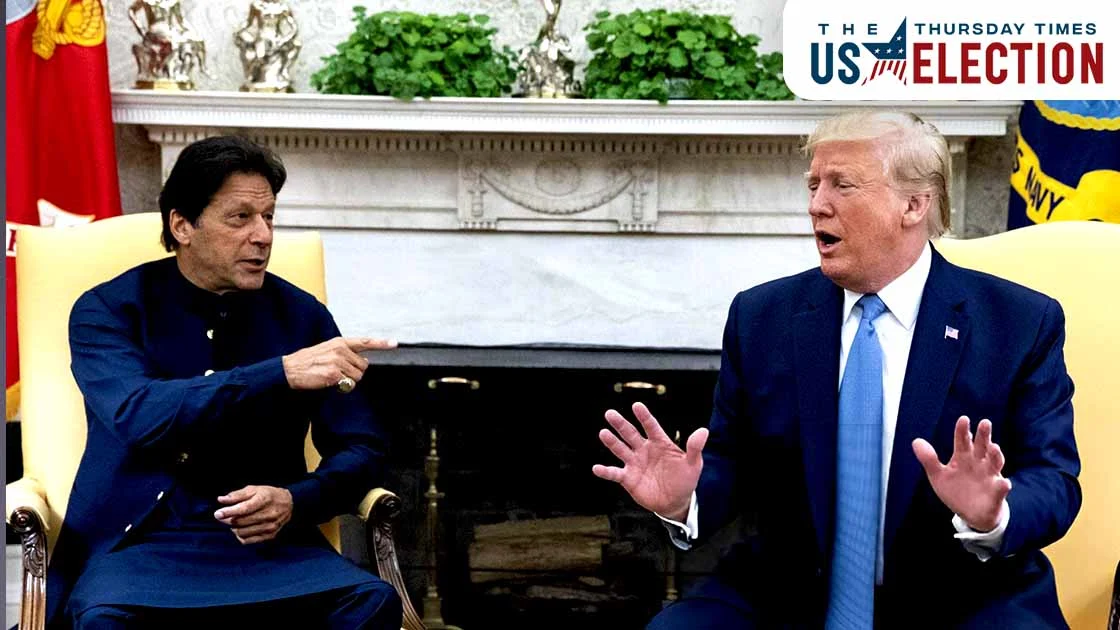
ٹرمپ اور خان کے تعلقات سابق صدر کے پہلے دور تک جاتے ہیں، جب دونوں رہنماؤں کے درمیان حیران کن حد تک خوشگوار تعلق قائم ہوا تھا۔ 2019 میں ٹرمپ نے خان کی میزبانی وائٹ ہاؤس میں کی اور امریکا اور طالبان کے درمیان امن مذاکرات کی حمایت اور خطے کے استحکام میں پاکستان کے کردار پر انہیں کھلے عام سراہا۔ اس خوشگوار تبادلے سے یہ قیاس آرائیاں ہوئیں کہ ٹرمپ خان کو ایک کارآمد علاقائی اتحادی سمجھتے ہیں، جو پاکستان کے پیچیدہ سیاسی منظرنامے میں راستہ نکالنے کی صلاحیت رکھتا ہے۔ آج صورت حال یہ ہے کہ خان سیاسی بیابان میں ہیں، طویل قید کی سزاؤں کا سامنا کر رہے ہیں اور ملک میں ان کی ساکھ مجروح ہو چکی ہے۔ اس لیے ٹرمپ کی واپسی سے خان کے کیمپ میں یہ امید پیدا ہوئی ہے کہ امریکی سفارت کاری مداخلت کر سکتی ہے۔
ٹرمپ کا خارجہ پالیسی کے لیے غیر روایتی انداز، جس کی پہچان ذاتی اور کھلے عام مذاکرات پر آمادگی ہے، خان کے لیے ایک ممکنہ ذریعہ ثابت ہو سکتا ہے۔ ٹرمپ اکثر "مضبوط رہنماؤں" اور اپنی خودمختاری منوانے پر آمادہ ممالک کی حمایت کا اظہار کرتے رہے ہیں، اور یوں خان "اسٹیبلشمنٹ" سے لڑنے کے ان کے بیانیے میں ہم خیال دکھائی دیتے ہیں۔ خان کی اپنی بیان بازی، جو اکثر ٹرمپ کے عوامی مقبولیت پر مبنی موضوعات کی گونج لیے ہوتی ہے، ٹرمپ انتظامیہ کو متاثر کر سکتی ہے۔ تاہم پاکستان کی موجودہ حکومت کے پاس ایسی کسی سفارت کاری پر غور کرنے کی کوئی وجہ نہیں ہے۔
In Pakistan, Imran Khan’s legal battles are vast and far-reaching, covering issues from alleged corruption and illegal sales of state gifts to accusations of leaking state secrets. Several of his convictions have been overturned, including a high-profile state secrets case. However, more than 150 other charges remain pending, and his freedom is far from guaranteed. Even with Trump’s help, intervening in these complex judicial matters would require more than mere diplomatic posturing.
Historically, U.S. influence in Pakistan has been a delicate matter, with local leaders sensitive to any external pressure. While Washington has frequently influenced Pakistan’s security and economic policies, its reach into Pakistan’s judiciary has been limited. For the Biden administration, Pakistan has become a secondary concern as it prioritizes stronger ties with India, which has established itself as a critical player in countering China’s influence in Asia. Trump may be inclined to shift this focus back to Pakistan, but domestic politics in Islamabad are far from receptive to such outreach.
Adding to the challenge is Pakistan’s military, which has traditionally held significant sway over the country’s politics. Khan’s anti-establishment rhetoric and his accusations against the military make his case particularly difficult. Trump’s return could potentially raise Pakistan’s diplomatic cost for holding Khan behind bars, but direct intervention in such a high-profile legal case is another matter entirely. Khan’s supporters may be hopeful, but any overt U.S. involvement could be perceived as interference, potentially backfiring and further entrenching Khan’s legal issues.
For Imran Khan’s supporters, who view his arrest and disqualification as politically motivated, Trump’s presidency could renew their leader’s prospects. Trump’s own experience with legal battles and a desire to make political statements may incline him to publicly support Khan’s plight. But even a vocal endorsement from Trump might not be enough. Pakistan’s judiciary is under significant domestic pressure, with much of the public split on Khan’s guilt. Trump’s endorsement might embolden Khan’s base, but it could also embolden Khan’s critics, who view foreign support as unwelcome meddling.
Further complicating matters are the extensive charges against Khan. While several convictions have been overturned, others, such as incitement to violence and contempt of court, remain active. These charges carry significant weight in Pakistan’s legal framework, and they align closely with internal security concerns. For any U.S. involvement to yield results, it would have to navigate both the legal framework and the perception of favoritism. Trump’s history of blunt diplomacy may be an asset in some arenas, but in this case, it could provoke more resistance.
From a broader foreign policy standpoint, Trump’s possible engagement with Pakistan may be focused on counterterrorism, regional stability, and Afghanistan rather than specific political interventions. Imran Khan’s fate could easily be sidelined in favor of broader U.S.-Pakistan relations. As much as Khan’s supporters may wish otherwise, Trump’s administration will likely prioritize its interests in Pakistan over any individual. If Khan’s release does not align with U.S. objectives, Trump’s influence might be minimal.
Even if Trump chose to lobby for Khan’s release, his efforts would likely face resistance within Pakistan. Domestic sentiment is highly polarized; many see Khan’s imprisonment as necessary for accountability, while others believe it is politically motivated. Trump would need to tread carefully, as heavy-handed support for Khan could alienate sections of Pakistan’s government and military leadership, who already harbor suspicions of U.S. intentions.
Trump’s return could, however, shift the regional dynamics around Pakistan. In his first term, Trump proved willing to engage Pakistan on terms that differed from those of his predecessors, relying on personal diplomacy. If he extends a hand to Khan, it could signal a renewed openness to Pakistani interests, potentially leading Islamabad to reassess its approach to Khan’s cases. Yet, such a diplomatic reset would require a delicate balance to avoid stirring anti-American sentiments within Pakistan.
An additional factor lies in Trump’s likely pivot towards strengthening U.S. influence in South Asia. A warming relationship with Pakistan under Trump could indirectly benefit Khan by raising the cost of keeping him detained, though this effect would be gradual. Trump’s efforts to exert influence on the Pakistan-India dynamic, for instance, could place Khan’s status within a larger diplomatic agenda. Still, any results would likely be indirect and uncertain.
For Khan, Trump’s presidency offers a double-edged sword. While Trump’s unorthodox style and past rapport with Khan might provide an opening, the practicalities of influencing Pakistan’s legal system are significant. Trump’s rhetoric could rally Khan’s supporters, but it might also incite his opponents. Ultimately, the decision to release Khan rests not with the White House, but with Pakistan’s judicial and political institutions, which may resist external pressures.
As Trump embarks on his second term, Khan’s supporters are left to hope that the new president will advocate for their leader. However, U.S.-Pakistan relations are complex, shaped by security priorities, regional alliances, and longstanding tensions. Even Trump’s unique style may prove insufficient against these entrenched dynamics. Khan’s case might, at best, become a symbolic issue, with Trump using his platform to make statements, rather than orchestrating any meaningful change.
In the end, while Trump’s return to the White House may breathe new life into Khan’s hopes, it is unlikely to significantly alter his legal trajectory. The reality is that Khan’s release hinges more on Pakistan’s domestic politics than on any U.S. diplomatic maneuver. Trump may use his influence to rally international attention to Khan’s plight, but true resolution remains an internal Pakistani matter.
For now, as Khan continues to fight his legal battles, his supporters may find solace in Trump’s potential advocacy. Yet, the complexities of Pakistani politics and the country’s sensitivity to foreign involvement present formidable obstacles. Trump’s return might revive Khan’s prospects, but whether it can free him from his legal binds remains as uncertain as ever.