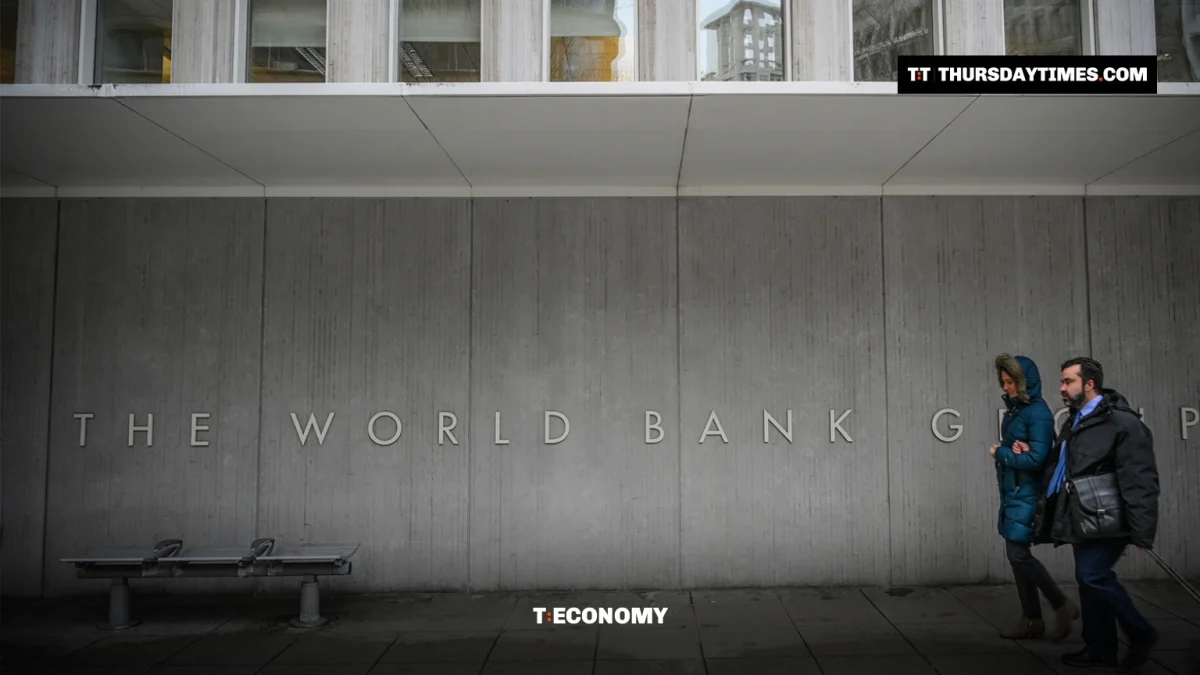
ISLAMABAD (The Thursday Times) — Pakistan plans to take a $600 million World Bank loan under a new programme to drive investment-led growth, committing in return to pass an Investment Act and a factoring law and to free up international trade in wheat and sugar, according to World Bank documents.
The Bold Reforms for Investment-Driven Growth and Employment (BRIDGE) programme is expected to be approved on January 29, 2027, and will be taken by the Ministry of Finance, The Express Tribune reported, citing documents released by the lender on Wednesday. The programme’s total cost is estimated at $1.2 billion, with the World Bank lending $600 million and the federal government funding the remaining $593 million.
What Pakistan has committed to
Under the programme, the government has assured the World Bank that it will enact at least two new laws, the Investment Act and the Factoring Law, build a database of Pakistanis going abroad for work, allow free international trade in sugar and wheat, and increase the share of urea imports handled by private importers.
The World Bank said that with economic stabilisation largely achieved under Pakistan’s IMF programme, the focus was shifting to lifting private investment, which it put at around 10 per cent of GDP, less than half the level of regional peers, with foreign direct investment at around 0.6 per cent of GDP.
The government is also seeking $750 million from the Asian Development Bank for pension and private-sector reforms. Separately, the Special Investment Facilitation Council told a Senate committee this week that it had lined up projects expected to attract about $40 billion.