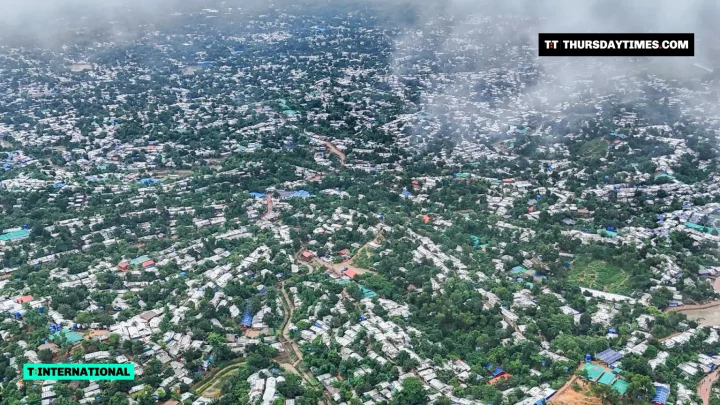
DHAKA (The Thursday Times) — Nearly 150 garment factories in Bangladesh’s main manufacturing belts were shut over the weekend as workers kept up a strike for higher pay and owners began closing plants where production had stopped, according to reports from Dhaka.
The closures are concentrated in Savar, Ashulia, and Gazipur, the country’s main garment hubs. In Gazipur, 13 factories announced closures on Saturday night and 16 more on Sunday morning, industrial police superintendent Amjad Hossain said. Dozens more were closed in Ashulia on Saturday.
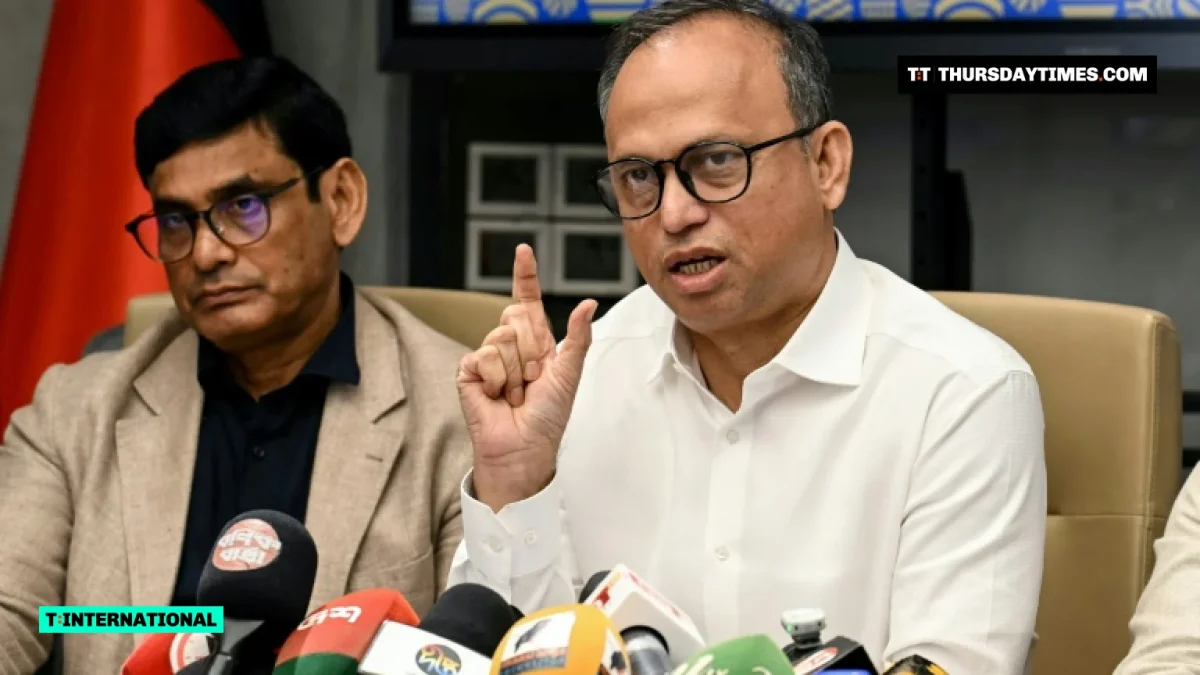
The two main owners’ groups, the Bangladesh Garment Manufacturers and Exporters Association (BGMEA) and the Bangladesh Knitwear Manufacturers and Exporters Association (BKMEA), said on Saturday that factories unable to produce because of the unrest would stay closed indefinitely from Sunday. They cited Section 13(1) of the Labour Act, which lets owners shut a plant over an illegal strike without paying the striking workers. BGMEA president Mahmud Hasan Khan said the groups had questioned whether to keep taking part in wage talks without assurances that factories would be protected. “If the situation persists, we must reconsider,” he said. The owners had threatened to quit the talks a day earlier.
Workers are demanding a minimum monthly wage of 30,000 taka (about $240), up from the current 12,500 taka, a rise of 140 per cent. They say food, housing, transport, and healthcare costs have eaten into their pay, with inflation running at around 8 per cent. The protests began at the end of October and have at times turned violent. One worker has died during the unrest, according to local reports. Workers also blocked the Dhaka-Tangail highway in Gazipur for about an hour before police dispersed them.
Wage board talks
The government formed a minimum wage board on 1 November, chaired by a senior district judge. At its second meeting on 9 November, worker representatives proposed 32,000 taka. The third meeting is scheduled for Monday. The board has said it will finalise its recommendations by the end of November, and a revised pay structure is expected to take effect from 1 December.
The stakes are high. The garment industry earns close to $40 billion a year, accounts for about four-fifths of Bangladesh’s exports, and employs more than four million people. The unrest comes in the run-up to Christmas, the busiest export period. One factory manager in Ashulia said shipments were already taking about 10 more days to reach buyers because of the war in the Middle East. Police, Border Guard Bangladesh personnel, and other security forces have been deployed around the industrial zones.