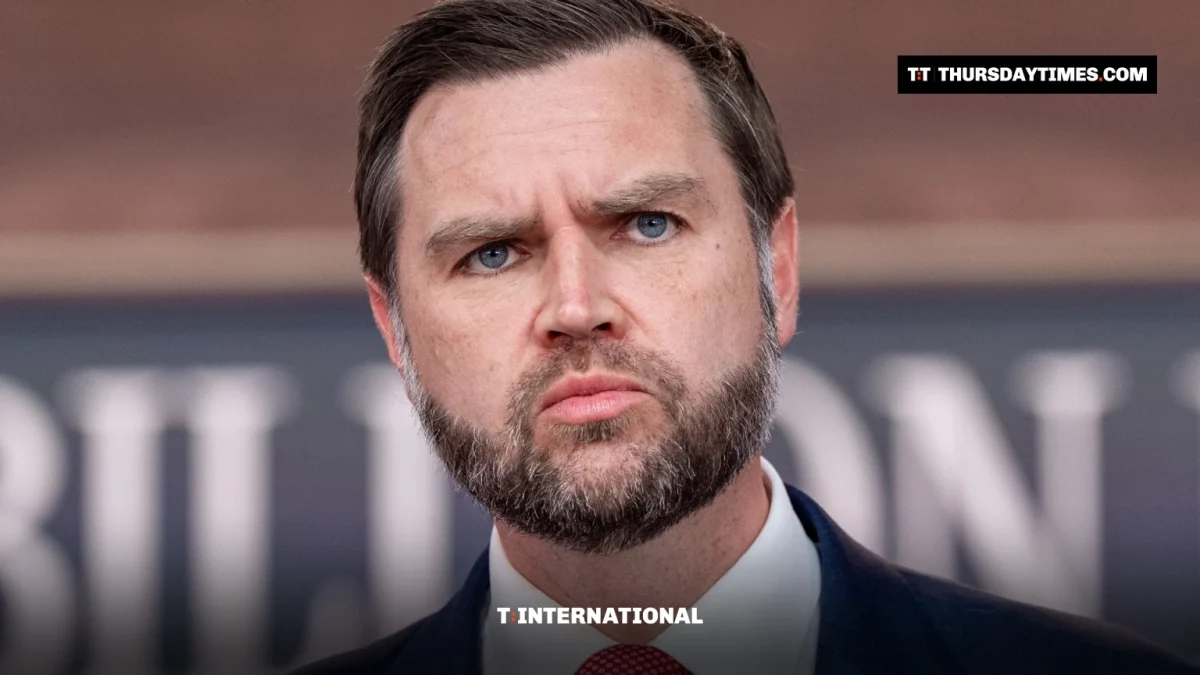
WASHINGTON (The Thursday Times) — US Vice President JD Vance has written to Iran’s security chief in a bid to revive peace talks, even as Washington told Gulf Arab states to prepare for a possible “short, intense military campaign” against Iran after next week’s midterm elections, The Wall Street Journal reported on Wednesday.
Vance sent the letter to Mohsen Rezaei, head of Iran’s Supreme National Security Council, in a move one of the newspaper’s sources said was directed by President Donald Trump, according to AFP. The letter and later contacts between US and Iranian officials focused on a possible framework for negotiations rather than the details of a peace proposal.
Gulf told to brace
The Journal also reported that Washington had told several Gulf Arab countries to get ready for a short, intense campaign against Iran after the November 3 vote, though people briefed on the conversations said Trump had not made a final decision. Trump said earlier this month that the US would not strike Iran before the midterms.
Iran’s military has warned it would retaliate more widely against any new attack. Rezaei has said Iran could strike US-linked infrastructure, including data centres and other artificial intelligence targets.
Talks on several tracks
The report comes as mediators push competing plans to end the war, which the US and Israel launched in late February. Iran’s foreign minister, Abbas Araqchi, said on Wednesday that Tehran remained in close contact with intermediaries on its own seven-day plan, which Trump rejected in September, and that it could be completed in under a week. A senior Iranian official this week dismissed a new Qatari draft as “unacceptable ideas”. Pakistan and Qatar have led the mediation since the war began.
The conflict has shut most traffic through the Strait of Hormuz, which once carried around a fifth of the world’s oil and liquefied natural gas, while the US maintains a naval blockade of Iranian ports. The Pentagon has spent more than $47 billion on the war, according to internal figures reported by Reuters.