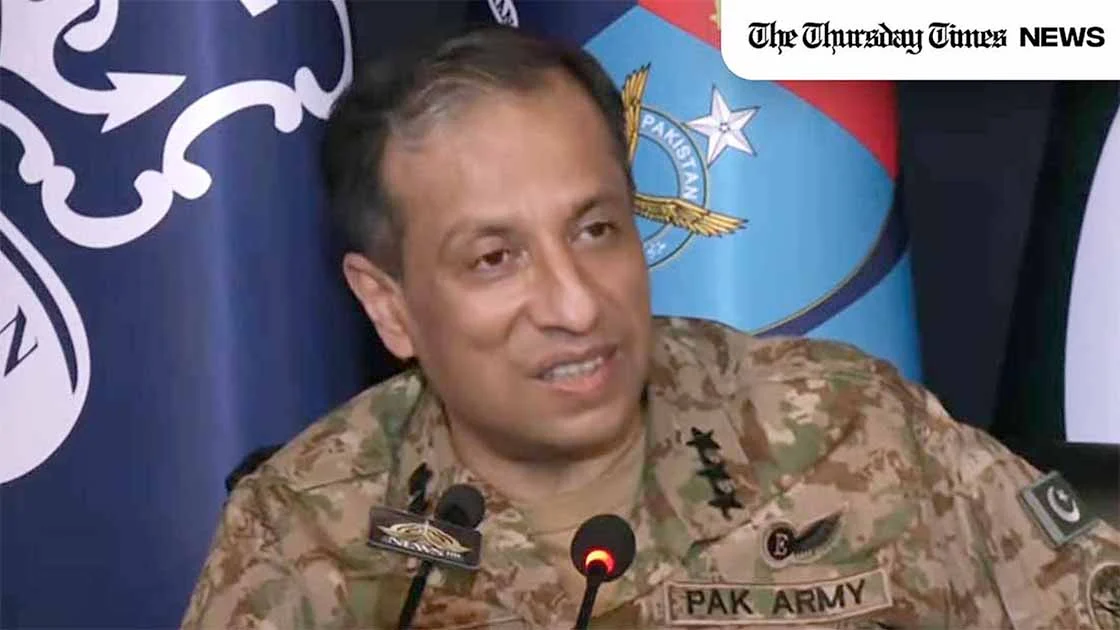
راولپنڈی (تھرسڈے ٹائمز) — پاکستان کی فوج نے سلامتی، طرزِ حکمرانی اور سفارت کاری کے حوالے سے زیادہ سوچے سمجھے اور حکمتِ عملی پر مبنی طرزِ عمل کا عندیہ دیا ہے۔ یہ بات ڈائریکٹر جنرل انٹر سروسز پبلک ریلیشنز لیفٹیننٹ جنرل احمد شریف چوہدری نے صحافیوں کو ملک کی سلامتی کی صورتِ حال، خارجہ شراکت داریوں اور ادارہ جاتی چیلنجز پر بریفنگ دیتے ہوئے کہی۔
لیفٹیننٹ جنرل احمد شریف چوہدری نے کہا کہ عسکریت پسند اور مجرمانہ نیٹ ورکس کو "بڑی حد تک ختم" کر دیا گیا ہے، تاہم ان کا مکمل خاتمہ نیشنل ایکشن پلان پر "مخلصانہ اور مربوط عمل درآمد" پر منحصر ہوگا۔ انہوں نے سلامتی کو طرزِ حکمرانی سے الگ نہ ہونے والا معاملہ قرار دیتے ہوئے خبردار کیا کہ خیبر پختونخوا جیسے صوبوں میں انتظامی کمزوریاں "سپاہیوں کی قربانیوں کو کمزور کر رہی ہیں۔"
خارجہ تعلقات کے حوالے سے ترجمان نے اس مؤقف کا اعادہ کیا کہ عالمی طاقتوں کے ساتھ پاکستان کا تعلق خالصتاً قومی اور عوامی مفاد کی بنیاد پر طے ہوتا ہے۔ انہوں نے کہا کہ معدنیات کی ترقی اور کان کنی کے لیے "طویل المدتی صبر اور بھاری سرمایہ کاری" درکار ہے، اور مزید بتایا کہ پاکستان چین، امریکہ اور سعودی عرب سمیت مختلف ممالک کے ساتھ شراکت داری کے امکانات پر غور کر رہا ہے، بشرطیکہ ایسا تعاون ملکی مفادات اور زمینی حقائق سے ہم آہنگ ہو۔
حالیہ فنانشل ٹائمز کی رپورٹ کے بارے میں بات کرتے ہوئے چوہدری نے کہا کہ مضمون میں "سرکاری و نجی شراکت داری کی تجاویز" کا ذکر کیا گیا تھا، نہ کہ کسی خفیہ اسٹریٹجک ازسرِنو صف بندی کا۔ انہوں نے زور دے کر کہا کہ پاکستان کی ساحلی پٹی میں تجارتی امکانات بے پناہ ہیں، تاہم بندرگاہوں کی ترقی یا سرمایہ کاری سے متعلق فیصلے سختی سے قومی مفاد کے تناظر میں کیے جائیں گے۔
Reiterating Islamabad’s long-standing policy on the Middle East, he confirmed that Pakistan’s stance on Israel remained unchanged and that the state “does not recognise Israel.” The immediate priority, he said, was halting the ongoing humanitarian catastrophe in Gaza and ensuring relief reaches those affected.
The army spokesperson also addressed recent terrorist attacks in Khyber Pakhtunkhwa, attributing their recurrence to governance gaps and institutional fragility. “Structural reforms and administrative efficiency,” he said, “are essential to protect the gains made through security operations.”
When asked about the Nobel Peace Prize, Chaudhry remarked that while many individuals truly deserved such global recognition, nominations made for “controversial groups or personalities” risked undermining the award’s credibility.
Responding to questions about Pakistan’s “hybrid system,” he emphasised that the army functions strictly within constitutional bounds and supports civilian authorities only when formally requested. He cited the National Command and Operation Centre, established during the pandemic, as an example of institutional collaboration that produced “positive outcomes.”
On the recently concluded Pakistan–Saudi defence cooperation framework, Lt Gen Chaudhry clarified that it was “not directed against any third party” but aimed at strengthening mutual defence production, preparedness, and technological exchange. He said the pact reflected “public sentiment, mutual trust, and a shared long-term strategic vision.”
Ahmed Sharif Chaudhry stressed that Pakistan’s state institutions were working with caution and transparency to balance national security, economic growth, and public welfare. He underscored that progress required coherence among the military, government, and society in pursuit of collective national resilience.