نئی دہلی (تھرسڈے ٹائمز) — برکس (BRICS) کی صدارت کی بھارت کی باری کو ایک شاندار نمائش کا موقع ہونا تھا: نریندر مودی کی اپنی میزبانی میں نئی دہلی میں 11 رکن ممالک اور 10 شراکت دار ممالک کا اجتماع، ایک ایسی سربراہ کانفرنس میں جس کا واضح عنوان یہ تھا کہ گلوبل ساؤتھ اپنی معاشی شرائط خود طے کرے۔ اس ہفتے کے اختتام پر جو اجلاس عملاً منعقد ہوا، اس نے ایک زیادہ پیچیدہ کہانی سنائی، ایسی کہانی جس میں بلاک کے کئی انتہائی اہم ارکان یا تو سربراہ اجلاس میں آئے ہی نہیں، یا آئے تو خاموشی سے عشائیے کے لیے رکنے سے انکار کر دیا۔
آغاز برازیل سے کرتے ہیں، جو روس، بھارت، چین اور جنوبی افریقہ کے ساتھ برکس کے 5 بانی ارکان میں شامل ہے۔ صدر لوئز اناسیو لولا دا سلوا نئی دہلی گئے ہی نہیں۔ انہوں نے برازیل کے اپنے قریب آتے انتخابات کا حوالہ دیا اور اپنی جگہ وزیر خارجہ ماؤرو ویئرا کو بھیجا۔ یہ ایسی غیر حاضری نہیں جسے معمولی سمجھ کر نظر انداز کر دیا جائے، کیونکہ برازیل کوئی حاشیائی شراکت دار ریاست نہیں بلکہ بلاک کے اولین معماروں میں سے ہے، اور اس کے سربراہِ مملکت کا، محض ایک سال بعد کہ انہوں نے خود ریو ڈی جنیرو میں سربراہ اجلاس کی میزبانی کی تھی، اس بار شریک نہ ہونے کا فیصلہ اس بات میں نمایاں تنزلی ہے کہ برازیلیا نے بھارت کی باری کو کتنی سنجیدگی سے لیا۔
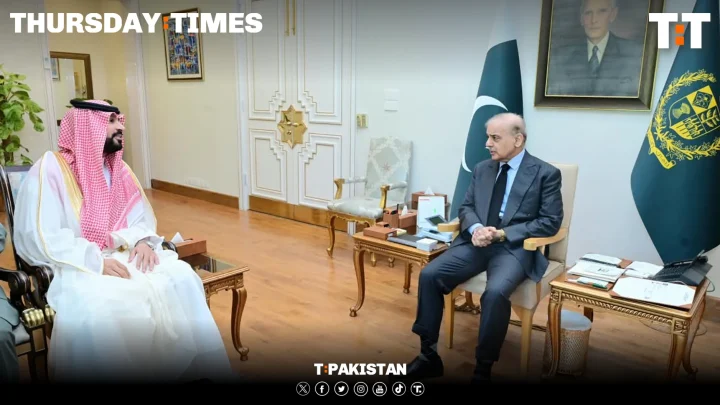
سعودی عرب کی غیر موجودگی اس سے بھی گہری ہے، کیونکہ وہاں تنزلی کا سوال ہی نہیں، ریاض نے اپنے سربراہِ مملکت کو شروع سے بھیجا ہی نہیں۔ مملکت کے وفد کی قیادت پورے اجلاس میں وزیر خارجہ شہزادہ فیصل بن فرحان آل سعود نے کی، جو قابلِ ذکر طور پر پہنچنے والے آخری نمائندے تھے اور ان کی آمد ہفتے کی شام طے تھی۔ درحقیقت سعودی عرب نے برکس کی اپنی رکنیت کی گروپ کو آج تک باضابطہ تصدیق ہی نہیں کی، حالانکہ اسے اس کے اجلاسوں میں بار بار مدعو کیا جاتا رہا ہے۔ یہ حیثیت ریاض کو مسلسل دونوں طرف گنجائش رکھنے پر مائل رکھتی ہے، کسی عہد کی پابندی پر نہیں، اور اس سربراہ اجلاس نے اس روش کو بدلنے کے لیے کچھ نہیں کیا۔
The UAE, similarly, did not send its actual head of state. Abu Dhabi’s delegation was led by Crown Prince Sheikh Khaled bin Mohamed bin Zayed Al Nahyan, standing in for his father, President Sheikh Mohamed bin Zayed Al Nahyan. The Crown Prince did attend the day’s summit sessions, but left for home afterward, skipping the evening’s gala dinner entirely.
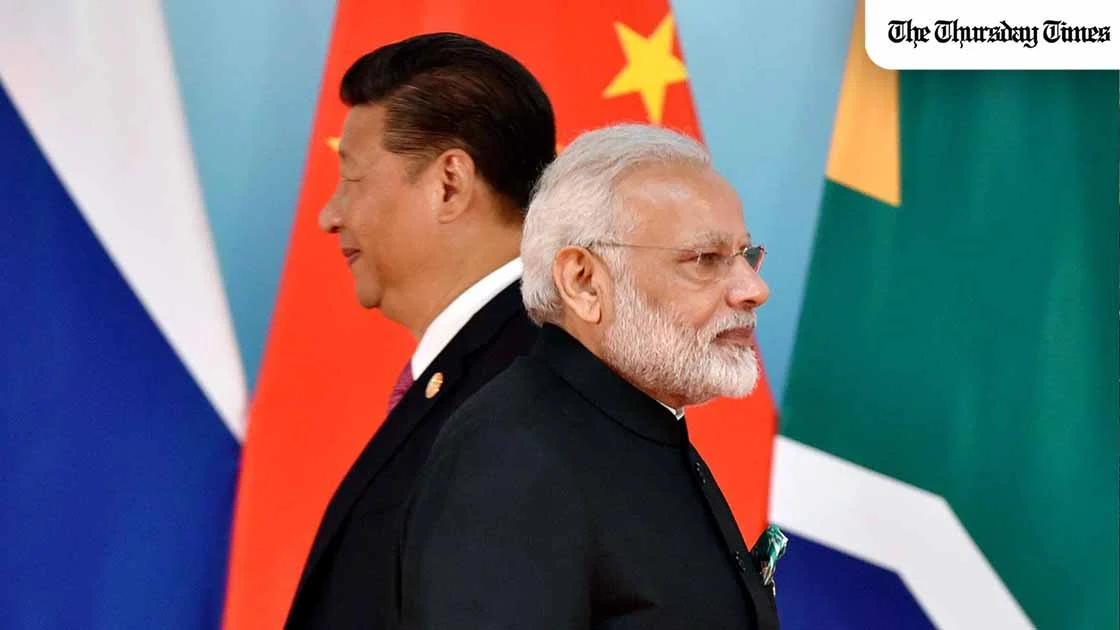
Then there is Xi Jinping, and his case may be the most telling of all. China’s president did make the trip, his first visit to India in seven years, attending the full slate of summit sessions and holding a bilateral meeting with Modi beforehand. But when the day’s diplomacy gave way to the evening’s dinner, Xi was gone, reportedly back at his hotel to rest, a deliberate choice about where to draw the line on his presence, not a scheduling casualty. The pattern points the same direction each time: toward Modi specifically, not BRICS generally. When Xi skipped last year’s Rio summit outright, sending his premier instead, reports suggested the real reason was that Brazil’s Lula had also arranged a state dinner in Modi’s honour that same trip, and Xi had no interest in being cast as a “supporting actor” on a stage where India held the seat of honour. Two years before that, in Johannesburg, he abruptly pulled out of delivering prepared remarks he was scheduled to give alongside Modi, sending a commerce minister in his place with no explanation. This time, in New Delhi, on India’s own soil, Xi again found the exit before it mattered least. It reads less like fatigue and more like a message: Beijing will share the summit floor with India, but not the room where India gets to be the host and China merely a guest.
A joint declaration was issued, member states voiced “firm opposition” to the forced displacement of Palestinians, and the bloc continued its now-routine calls for cheaper cross-border payment mechanisms that sidestep the US dollar. But paper outcomes are not what a chairmanship year is actually judged on, optics are, and the optics here undercut the very case BRICS exists to make. This was supposed to be Modi’s moment to prove the Global South could convene as a unified counterweight, on India’s own soil, under India’s own leadership. Instead, a founding member skipped the whole event over its domestic politics, a long-courted Gulf power kept India at arm’s length through a foreign minister rather than its king, and the bloc’s most powerful member showed up only long enough to be seen leaving early. A summit meant to project weight instead projected its limits, and no joint declaration language will quietly undo what the empty chairs already said.