اسلام آباد (تھرسڈے ٹائمز) — فیلڈ مارشل عاصم منیر اس وقت دنیا کے سب سے اثر انگیز عسکری سفارت کار بن کر سامنے آئے ہیں۔ صرف 24 گھنٹوں کے دوران وہ تہران پہنچے، ایران کے صدر، پارلیمان کے اسپیکر، وزیر خارجہ اور وزیر داخلہ سے الگ الگ ملاقاتیں کیں، پاک فوج کے بقول رات بھر بھرپور مذاکرات کیے، اور جب واپس روانہ ہوئے تو دونوں فریق اس فریم ورک کی جانب حوصلہ افزا پیش رفت کی اطلاع دے رہے تھے جو امریکا اور ایران کی جنگ کو ختم کر سکتا ہے۔ نیویارک ٹائمز نے ان کے شب بھر کے دورے کو شٹل ڈپلومیسی میں تیزی قرار دیا، جس میں ثالثی کی کوششوں میں منیر مرکزی کردار ادا کر رہے ہیں۔ یہ کوششیں اس وقت شروع ہوئی تھیں جب پاکستان نے 8 اپریل 2026 کو ابتدائی جنگ بندی کرائی تھی۔
تھرسڈے ٹائمز پاکستان کے ثالثی کردار کا آغاز سے احاطہ کرتا آ رہا ہے۔ روبیو کی جانب سے پاکستان کو بنیادی رابطہ کار قرار دینے سے متعلق ہماری پہلی رپورٹ یہاں پڑھیں۔ منیر کے دورۂ تہران کے اختتام سے متعلق ہماری رپورٹ یہاں پڑھیں۔
منیر مرکزی شخصیت کیسے بنے
پاکستان کے ثالثی کردار کا آغاز دورۂ تہران سے نہیں ہوا۔ اس کی ابتدا اپریل 2025 میں ہوئی، جب فیلڈ مارشل منیر نے تہران میں ایران کے جنرل اسٹاف ہیڈکوارٹرز کا دورہ کیا اور ایرانی مسلح افواج کے چیف آف جنرل اسٹاف میجر جنرل محمد باقری سے ملاقات کر کے خطے کے بدلتے ہوئے سلامتی کے منظرنامے پر بات چیت کی۔ اس دورے کو اس وقت بڑی حد تک نظر انداز کیا گیا، مگر اسی نے افواج کے درمیان وہ رابطہ قائم کیا جو بعد میں واشنگٹن اور تہران کے درمیان بنیادی بیک چینل بن گیا۔
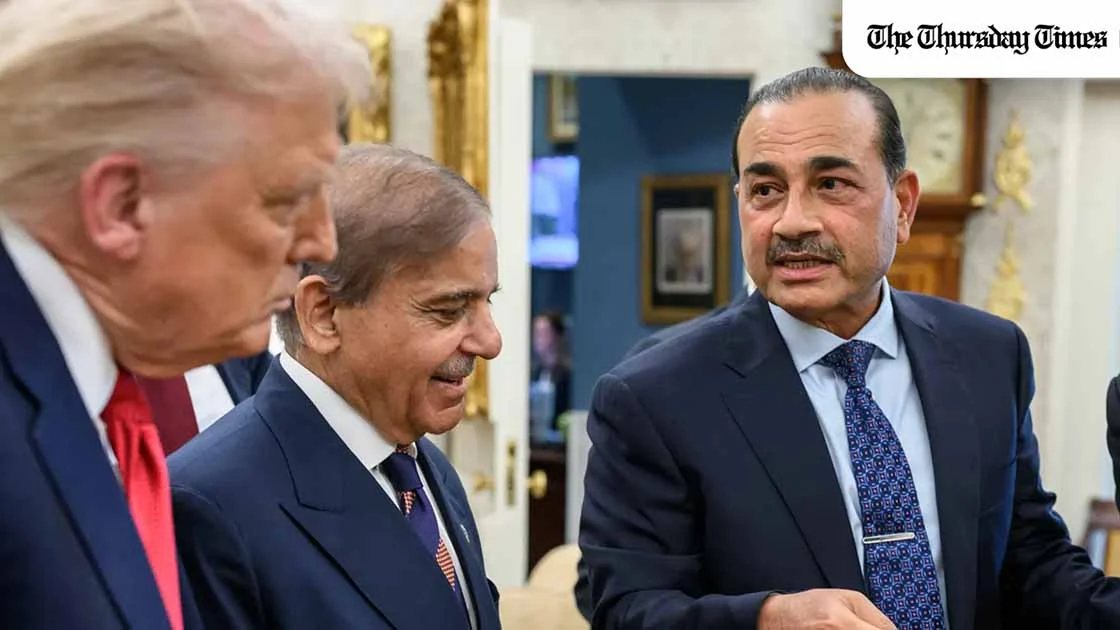
جون 2025 میں منیر نے وائٹ ہاؤس میں صدر ٹرمپ سے ملاقات کی، جس میں کابینہ روم میں ظہرانہ ہوا اور اس کے بعد اوول آفس میں طویل نشست ہوئی۔ یہ ملاقات ابتدا میں ایک گھنٹے کے لیے طے تھی مگر دو گھنٹے سے زیادہ جاری رہی، اور اس میں امریکی وزیر خارجہ مارکو روبیو اور امریکا کے خصوصی نمائندے اسٹیو وٹکوف بھی شریک تھے۔ اسی ملاقات سے پاکستان اور امریکا کے درمیان وہ اعتماد قائم ہوا جس کی بدولت منیر بعد میں ایسی شخصیت بنے جن کے بارے میں روبیو نے کہا کہ "ہماری حکومت کی اعلیٰ ترین سطحیں ان سے مسلسل رابطے میں رہتی ہیں۔"
جب 28 فروری 2026 کو ایرانی جوہری تنصیبات پر امریکا اور اسرائیل کے مربوط حملوں کے ساتھ امریکا-ایران جنگ شروع ہوئی تو پاکستان نے فوری طور پر قدم اٹھایا۔ 8 اپریل 2026 کو پاکستان نے امریکا اور ایران کے درمیان دو ہفتے کی جنگ بندی کرائی، جو جنگ شروع ہونے کے بعد کسی بھی نوعیت کا پہلا معاہدہ تھا۔ ٹرمپ نے منیر اور وزیر اعظم شہباز شریف کی درخواستوں کا حوالہ دیتے ہوئے جنگ بندی میں غیر معینہ مدت کے لیے توسیع کر دی۔ اس کے بعد منیر نے 11 اور 12 اپریل کو اسلام آباد میں امریکا اور ایران کے درمیان آمنے سامنے مذاکرات کرائے۔ یہ مذاکرات کسی پیش رفت کے بغیر ختم ہوئے لیکن ناکام نہیں ہوئے۔
"اس معاملے میں بنیادی رابطہ کار پاکستان رہا ہے اور آج بھی ہے۔ انہوں نے قابل تحسین کام کیا ہے۔ ان تمام معاملات پر جس ملک کے ساتھ ہم بنیادی طور پر کام کرتے رہے ہیں وہ پاکستان ہے، اور یہی صورتحال اب بھی برقرار ہے۔" امریکی وزیر خارجہ مارکو روبیو · نیٹو (NATO) وزرائے خارجہ اجلاس · ہیلسنگبورگ، سویڈن · 22 مئی 2026
امریکی وزیر خارجہ مارکو روبیو امریکا-ایران کشیدگی پر گفتگو کرتے ہوئے:
— تھرسڈے ٹائمز (@thursday_times) 22 مئی 2026
"اس معاملے میں بنیادی رابطہ کار پاکستان رہا ہے اور آج بھی ہے۔ ان تمام معاملات پر جس ملک کے ساتھ ہم بنیادی طور پر کام کرتے رہے ہیں وہ پاکستان ہے، اور یہی صورتحال اب بھی برقرار ہے۔"
فیلڈ مارشل عاصم منیر روانہ ہو رہے ہیں… pic.twitter.com/icqNdvxuPu
The shuttle diplomacy intensifies
Since the Islamabad talks stalled, Pakistan has maintained the channel. Interior Minister Mohsin Naqvi visited Tehran twice in the week of 19 May alone, carrying messages from Washington to Iranian leadership. Reuters reported that one source familiar with the negotiations described Pakistan’s role as speaking “to all the various groups in Iran to streamline communication and so things pick up pace,” adding that Trump’s “patience running thin is a concern, but we’re working on the pace at which messages are relayed from each side.”
Munir’s 24-hour Tehran visit on 22 to 23 May was the culmination of that sustained effort. The New York Times reported that Munir “has played a central role in mediation efforts” and that “his overnight visit was seen as an intensification in shuttle diplomacy.” Pakistan, Qatar, Saudi Arabia, Turkey and Egypt had all been working in the days before the visit to refine the draft proposal and bridge gaps, according to Axios citing three sources. Qatar dispatched its own negotiating team to Tehran on the same day Munir arrived, reflecting the scale of the diplomatic push.
New York Times · 23 May 2026
“Mr. Munir has played a central role in mediation efforts, and his overnight visit was seen as an intensification in shuttle diplomacy.”
The same NYT report noted a significant statement made by Iranian Parliament Speaker Mohammad Bagher Ghalibaf during his meeting with Munir. Ghalibaf said that “if Trump acts foolishly and the war resumes, the response against the United States will certainly be more crushing and bitter than on the first day of the war,” according to Iranian state media. The warning, delivered during Munir’s visit, reflects the dual nature of Pakistan’s mediation role: carrying messages of peace while sitting across from officials who are simultaneously signalling readiness for renewed conflict.
What makes Pakistan uniquely placed
Several factors have made Pakistan, and Munir specifically, the trusted channel for both sides. Pakistan has diplomatic relations with both the United States and Iran, maintained across decades of shifting regional alignments. Pakistan shares a border with Iran and has an economic and security interest in stability on that frontier. And Munir personally has established relationships with both Trump’s inner circle and Iran’s senior leadership over the past year, a combination that no other single actor in the region can claim.
Saudi Arabia acknowledged Pakistan’s unique position directly on Saturday. Foreign Minister Faisal bin Farhan said Riyadh “highly appreciates the ongoing mediation efforts carried out by Pakistan in this regard” and urged Iran to seize the opportunity to avoid further escalation. Pakistan being named alongside Saudi Arabia, Qatar, the UAE, Egypt, Jordan and Turkey on Trump’s Saturday afternoon conference call about the draft agreement is the clearest signal yet of how completely Pakistan has been integrated into the diplomatic core of this process.
What the overnight talks produced
The ISPR statement issued after Munir’s departure described the talks as “short but highly productive,” saying “intensive negotiations over the last twenty-four hours have resulted in encouraging progress towards a final understanding.” The Financial Times reported on Saturday, citing people briefed on the talks, that mediators believe they are nearing agreement to extend the US-Iran ceasefire by 60 days and set a framework for talks on Tehran’s nuclear programme, with the deal including a gradual reopening of the Strait of Hormuz and steps to ease US sanctions.
Iran took a more measured tone, saying contacts had not yet reached the point of a near deal and that nuclear issues would not be part of the initial framework. But Iran also said it was finalising a memorandum of understanding with the US, per media reports, with a final agreement expected within 30 days of the initial framework being signed.
What comes next for Pakistan
If a deal is reached, Pakistan will have done something that no other country in the region has managed: served as the primary mediator in ending a war between the world’s most powerful military and a nuclear-threshold state that had been on a collision course for years. The diplomatic consequences for Pakistan’s standing, its relationships with Washington and Tehran, and its leverage in future regional conversations would be significant.
If the talks collapse and war resumes, Pakistan will face a different set of consequences: pressure from both sides, a destabilised neighbour on its western border, and the end of a diplomatic moment that may not come again. The Thursday Times will continue to track developments as they emerge.
Sources: New York Times, ISPR, Reuters, Axios, Financial Times, Al Arabiya, Business Today, Gulf News, Globe Newswire. All quotes attributed to named public officials or official statements. This is a developing story and will be updated as events unfold.