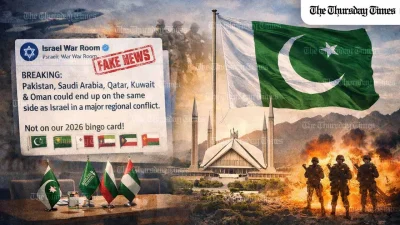
The road to Islamabad
From calls with Tehran and Gulf capitals to ceasefire diplomacy and marathon talks in Islamabad, Pakistan has inserted itself into the most delicate phase of the U.S.-Iran crisis and emerged as an unlikely broker of dialogue.
From calls with Tehran and Gulf capitals to ceasefire diplomacy and marathon talks in Islamabad, Pakistan has inserted itself into the most delicate phase of the U.S.-Iran crisis and emerged as an unlikely broker of dialogue.
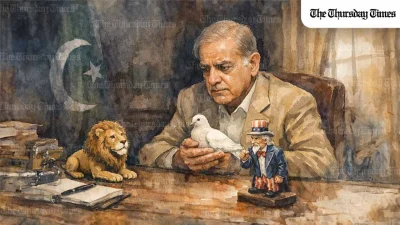
The Islamabad Talks were never designed to deliver an instant grand bargain between Washington and Tehran. Their significance lies in something more foundational: they preserved the ceasefire, brought both sides face to face, defined the central sticking point and opened the door to a second phase of diplomacy.

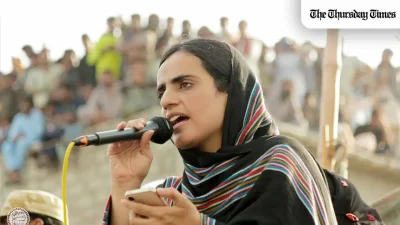
The Guardian was entitled to publish Mahrang Baloch’s testimony. But readers should read it for what it is: a partisan account, sharply written and emotionally potent, not a settled version of events.
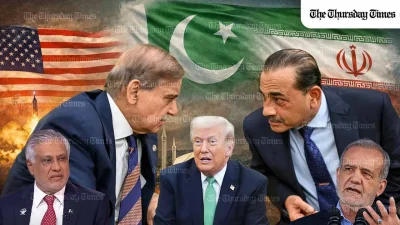
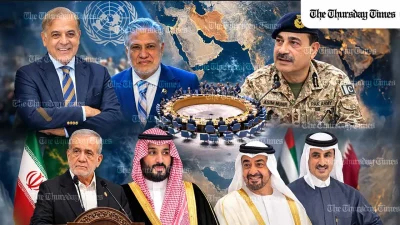
Pakistan is quietly but actively positioning itself as a possible mediator in the US-Iran crisis, with its military and political leadership engaging Washington, Tehran and Gulf capitals in an effort to prevent the conflict from widening and to bring diplomacy back to the table.
A broadcaster like the BBC must do more than relay claims; it must test them. When it gives one side’s language prominence while sidelining the other’s evidence and security case, it stops just reporting and starts shaping a narrative.

Pakistan has publicly condemned attacks on Iran and on Gulf states, while insisting that the region cannot be stabilised through force. Islamabad says the only serious path forward is restraint, de-escalation and talks.
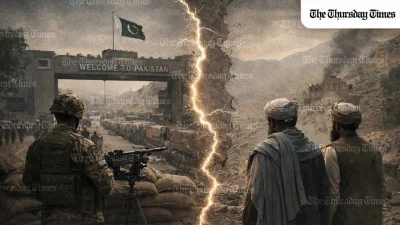
Pakistan has moved to shut down the impression of informal peace talks with the Afghan Taliban, insisting that there will be no dialogue without concrete and verifiable action against cross-border militancy.
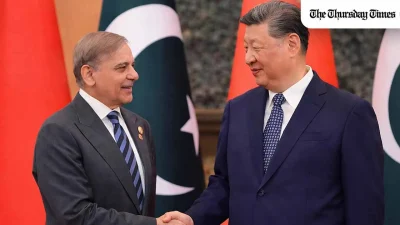
The Diplomat’s piece rests on Ajmal Sohail’s unverified claims, presenting a politically situated Afghan figure as a neutral expert while offering no credible independent evidence for its most serious allegations. It also fails the basic logic test: Pakistan’s all-weather partnership with China makes the claim that Islamabad is targeting Chinese interests extremely difficult to sustain.
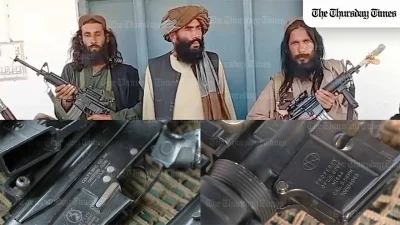
A claim by US Congressman Ryan Zinke that Taliban fighters in Pakistan are using American Humvees and M16s has revived Pakistan’s long-running warning about post-2021 weapons spillover, as Pakistani reporting cites CNN-linked serial checks and alleged recoveries of US-origin kit in KP and Balochistan.
A viral “Israel War Room” post is being cited as “official sources” to claim Pakistan is joining Israel, but Pakistan’s stance is deterrence and de-escalation aimed at stopping Gulf spillover; screenshots do not make alliances, decisions do.