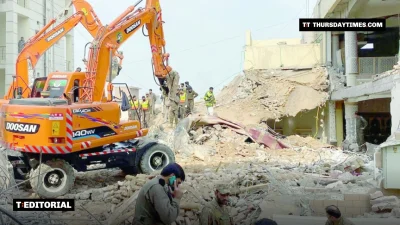
Radio Pakistan Peshawar has new walls. Now find its lost voices
The trial over the 2023 arson must run its course. The state need not wait for a verdict to search for surviving copies of decades of Pashto and Hindko music, drama and speech.

98 stories
The trial over the 2023 arson must run its course. The state need not wait for a verdict to search for surviving copies of decades of Pashto and Hindko music, drama and speech.
The CDA’s 30 women-only electric buses deserve a quick launch. But Peshawar shows that making every bus safe does more for women than a separate fleet, and Islamabad should do both

Khyber Pakhtunkhwa’s drive to protect 2.93 million girls deserves every parent’s support. Its success will depend on trusted women at the door, honest answers on safety and a plan for the girls it misses.

Security forces found explosives and torture cells inside two mosques in Mir Ali. The terrorists who did it have no claim on Islam. Pakistan should back the soldiers who cleared them, restore the mosques quickly and make every pulpit part of the fight
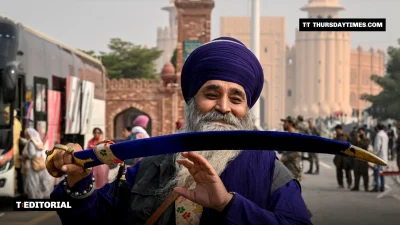
A Temple Road shrine shut since 1947 is open again, and more than 50 gurdwaras are being restored. Pakistan should keep them open and full of pilgrims. India should reopen the Kartarpur Corridor before Guru Nanak’s birth anniversary
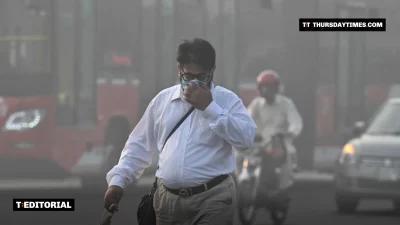
The wind cleared Monday’s smog. It will not clear the next one. Punjab has more tools than ever, and now needs a year-round plan measured by the air people breathe
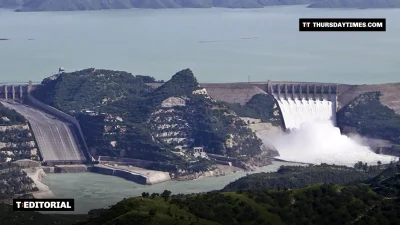
Water has broken into the extension twice in 15 months. Pakistan needs this dam, which is why it needs the inquiry findings on the table and not another assurance
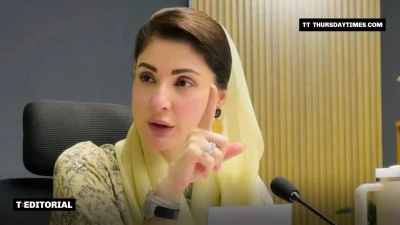
The Punjab chief minister removed an officer who moved an intermediate exam for her visit and ordered no closures for her tours. The order now needs to become a rule for every province
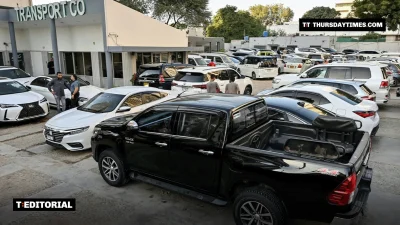
The new auto policy starts from an honest diagnosis. It will be judged on the dates, the enforcement and the sums the government has not yet shown
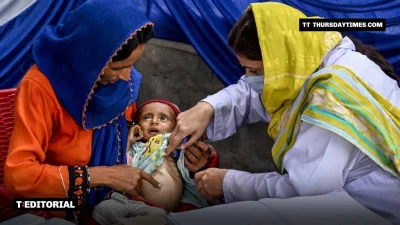
The drug regulator’s new formula label is welcome. But Pakistan has had a strong law against formula marketing since 2002, and it has barely been enforced
The US vice president now speaks to Field Marshal Munir almost daily. Pakistan should use that trust to push for a ceasefire that reopens Hormuz, and never let mediation become participation
Karachi’s biggest raid yet shows the scale of a racket that steals from the world in Pakistan’s name. Arrests are not enough without the money and the protectors
The government has taken back the towers and promised a five-star hotel. Refunds, a published report and a reformed CDA matter more
The first homegrown air-to-air missile is a real achievement. On the day gas went on a timetable, its lesson of patience belongs in the energy sector too
Pakistan is still owed about $800m for PTCL, over 32 properties worth a fraction of that. Arbitration is the right step, if the state fixes its own file and sets a deadline
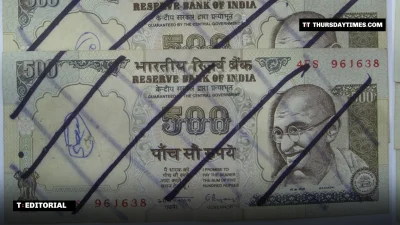
A decade after 86% of India’s cash was cancelled overnight, its own figures show cash, corruption and election money are all still there
Oil’s sharp fall on hopes of an Iran deal is a welcome reprieve. Pakistan should spend it on storage, a pricing rule, a fairer levy and the solar shift its people have already begun.
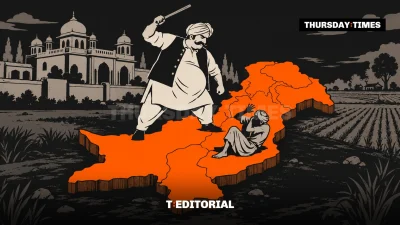
Pakistan's four provinces are not an administrative map. They are four estates, kept intact by the men who profit from the distance between citizens and the state.
An extensive security investigation uncovered a sustained Indian intrusion into the publication’s digital infrastructure. With normal operations restored, The Thursday Times says its commitment to independent journalism remains unchanged.
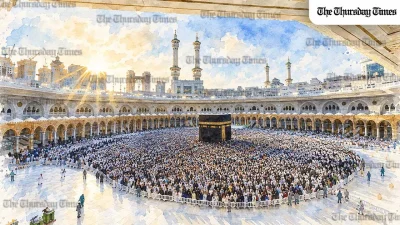
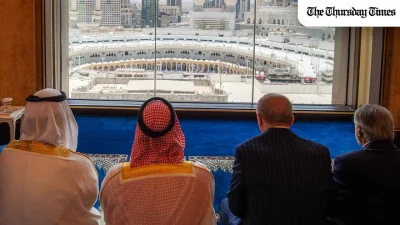
Pakistan's commitment to defending Makkah predates the pact it just signed, and its silence on specifics isn't hesitation, it's strategy.
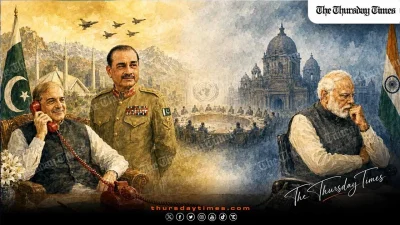
What does it take to go from an unanswered White House phone call to a UN Security Council seat in two years? Ask Pakistan. The Makkah Defence Pact. US-Iran mediation. An invite from Damascus. India lost Washington's favor in the same stretch.
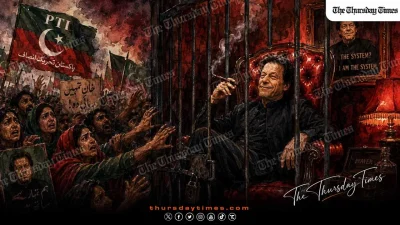
Imran Khan’s sister says he is fit, with normal blood pressure and improved eyesight. Official records document specialist treatment and family access. Yet the international narrative remains one of isolation and medical crisis. The record versus the rhetoric.
Countries do not enter mutual defence commitments with partners whose reliability they doubt, because the cost of misjudging that is measured in soldiers. Riyadh and Ankara have decided Pakistan is a state whose word will hold when it is expensive to hold it.
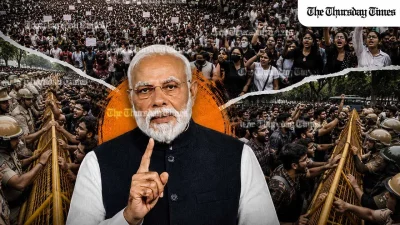
A Chief Justice called unemployed youth cockroaches. An exam sat by 22 lakh students was leaked, and some of them killed themselves. India's government waited, then delegitimised, then used force, then blamed Pakistan. Each step has failed.
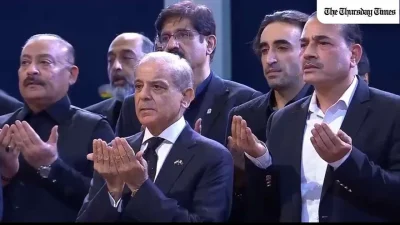
Pakistan may have disagreements with Iran, and Iran may have disappointed Pakistan by leaning too warmly towards India at times. But neighbours who share borders must also share funerals.
Pakistan’s role at the Lake Lucerne Summit marked a rare diplomatic success, placing Islamabad alongside Qatar as a mediator in the US-Iran process. Shehbaz Sharif gave the effort political direction, while Field Marshal Asim Munir added security credibility.
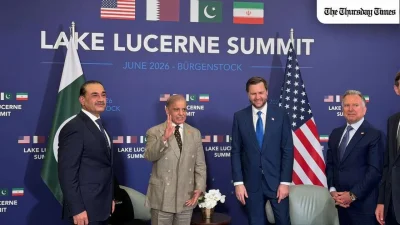
From crisis, isolation and doubt, Pakistan has stepped into the diplomatic centre of gravity. If the US-Iran peace framework holds, Islamabad will not merely have brokered a deal. It will have reminded the world that nations are not condemned to the reputations others write for them.
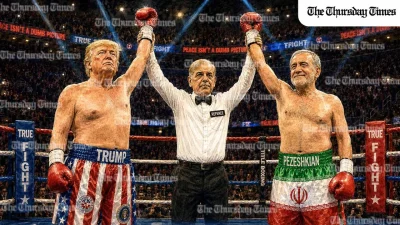
Pakistan’s role in de-escalation does not amount to acceptance of normalisation with Israel. Islamabad’s Palestine policy remains rooted in statehood, Al-Quds, and pre-1967 borders, not the politics of the Iran file.
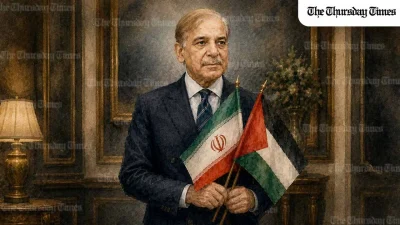
Senior RSS and military remarks in India have reopened the question of dialogue with Pakistan, exposing the limits of New Delhi’s hardline public posture. At the same time, Islamabad is trying to show that its relevance now extends beyond India, through crisis diplomacy involving Iran, the US, the Gulf, China and multilateral finance.
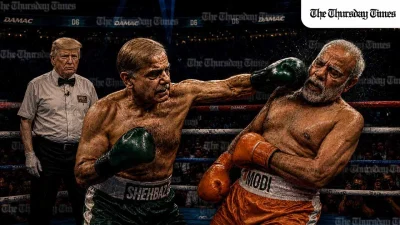
Pakistan’s growing diplomatic relevance has triggered a sharper narrative war, with foreign criticism, hostile media framing and domestic security incidents being used to cast Islamabad as unstable just as it re-enters the centre of regional diplomacy.
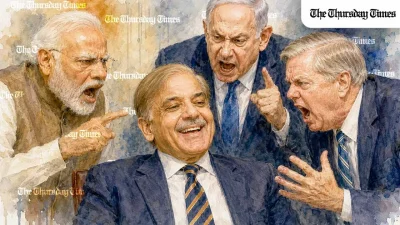
From South Waziristan to Balochistan and Punjab, Pakistan continues to confront terrorist violence that targets security forces and civilians alike. Yet while the world speaks loudly for other states' victims, Pakistani suffering too often receives silence, indifference, or selective concern.
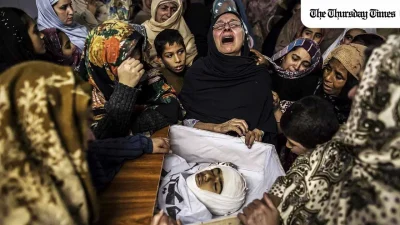
As Pete Hegseth promises a historic review into the Fall of Kabul, the real accounting must extend beyond the airport chaos to the Afghan families left stranded in Pakistan by Western failure, delay and broken promises.

Will there be a second Islamabad Talks? Undoubtedly. The notion of an Islamabad Talks 2 have not materialised on cue, but that doesn't mean the process is dead. It means Pakistan holds the only channel both the U.S. and Iran can still use.
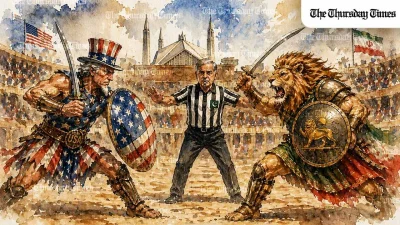
On the 88th death anniversary of Allama Iqbal, it is worth asking not only what he meant to the making of Pakistan, but what his ideas demand of the country now. As Islamabad tries to keep open channels between Iran and the United States, Iqbal’s poetry feels less like memory and more like instruction.
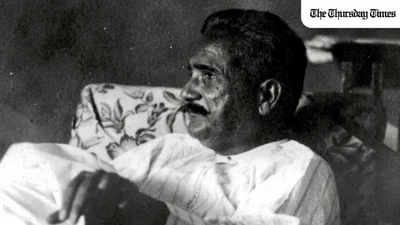
After years of being defined by debt scares, bailouts and economic uncertainty, Pakistan is showing signs of a broader recovery marked by renewed market access, stronger investor confidence, diplomatic relevance and momentum that isn't stopping anytime soon.

Pakistan’s emergence as the setting for U.S.-Iran diplomacy in 2026 was not a sudden stroke of luck but the return of an older strategic role; long before officials sat across from one another in Islamabad, Pakistan was already the back channel by which messages, assurances and ceasefires were carried.
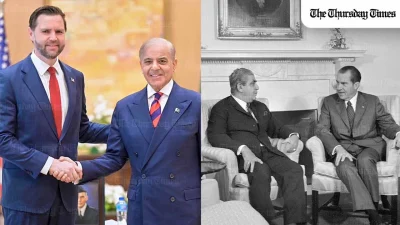
While New Delhi continues to sell Pakistan internally as a terrorist state, Islamabad is increasingly positioning itself as a mediator, a bridge-builder and a country whose real strategic mission is peace.
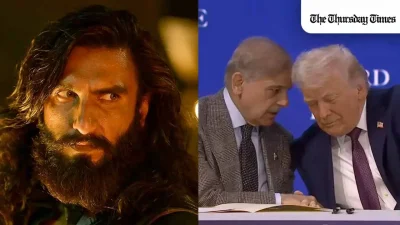
At a moment when Asia has been pulled towards confrontation and uncertainty, Ishaq Dar has helped place Pakistan at the centre of the diplomatic effort for peace. In the past month, his steady, coalition-building approach has turned Islamabad into a credible channel for dialogue, resulting in the Islamabad Accords.
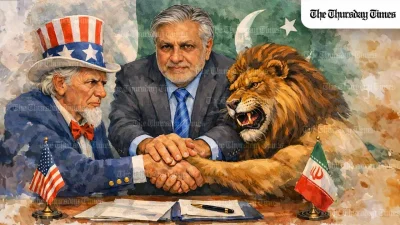
Pakistan is no longer just reacting to events. It is increasingly being seen as a country around which events may be organised. Islamabad is emerging as a possible venue, Pakistani channels as useful, and names such as Steve Witkoff, Jared Kushner and JD Vance suggest that the diplomatic centre of gravity may, however tentatively, be shifting toward Pakistan.
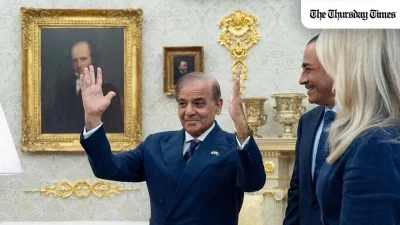
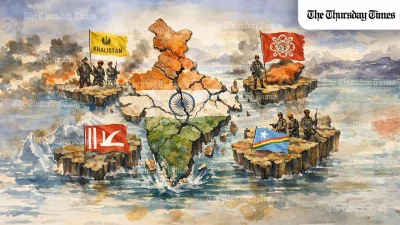
Separatism rarely begins with a declaration. It begins with a sentence that sounds almost reasonable in a frightened place: we cannot live under them. We, as Pakistanis, know this better than anyone.